Brick Pavers Around the Home: Where They Work Best and Why They Shift
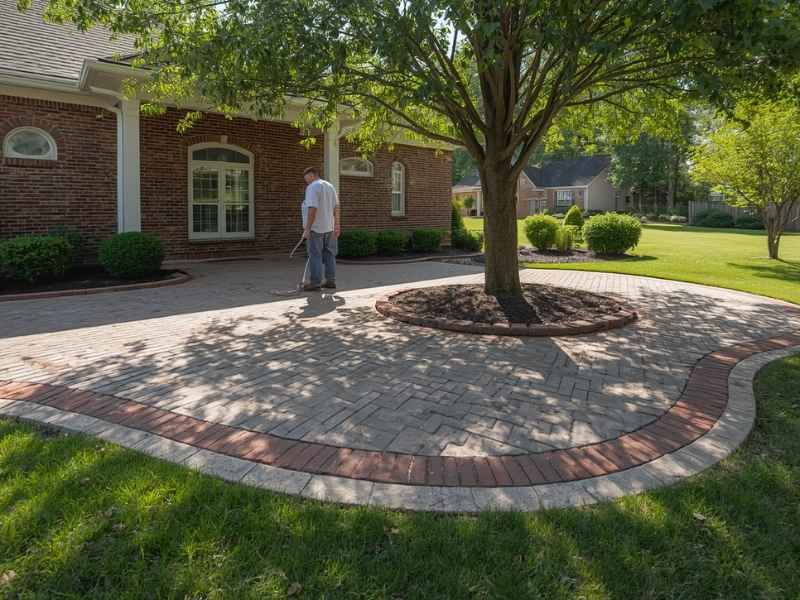
Brick pavers can turn a plain yard into a sharp, finished space. But walk across a lot of paver walkways in Auburn and you’ll spot the same problem. Bricks that dip, tilt, or pop up out of nowhere.
That shifting isn’t random. It almost always comes down to where the pavers sit and how the ground under them was prepped.
Brick pavers work best on driveways, patios, walkways, and pool decks with proper base prep. They shift most often due to poor drainage, weak base material, or roots pushing up from below.
Where Brick Pavers Perform Best
Brick pavers handle foot traffic and light vehicle weight well. They also handle Auburn’s mix of hot summers and heavy rain better than some other materials, as long as the base underneath is solid.
The best spots for brick pavers include:
- Walkways leading to a front door or side gate
- Patios used for outdoor seating or dining
- Pool decks, since pavers stay cooler underfoot than solid concrete
- Driveways, when installed with a base rated for vehicle weight
- Garden paths that need a defined edge without a poured slab
Each of these spots benefits from the same basic setup. A firm base, proper drainage, and edging that holds the bricks in place.
Why Pavers Work So Well for These Spaces
Unlike a poured concrete slab, brick pavers are made of individual pieces. This gives them a small but real advantage. They can flex slightly with ground movement instead of cracking straight through like a solid slab often does.
This matters more in Alabama clay soil, which expands and contracts more than sandy or rocky ground. A paver walkway can handle some of that movement. A concrete slab usually cannot.
Why Brick Pavers Shift Over Time
Shifting rarely happens because of the bricks themselves. It happens because of what’s underneath them, or what’s missing.
Weak Base Preparation
A paver installation needs a compacted base layer, usually crushed gravel, tamped down firmly before the bricks go in. Skip this step, or rush it, and the ground beneath will settle unevenly once it takes on foot traffic and rain.
Signs of a weak base include:
- Bricks that rock slightly when you step on them
- Low spots that collect water after rain
- Edges that pull away from the border pavers over time
Poor Drainage Underneath
Water is one of the biggest reasons pavers shift. If water pools under the base layer instead of draining away, it softens the ground and lets bricks sink or tilt.
This shows up most in:
- Low areas of the yard where water naturally collects
- Spots near downspouts without proper drainage routing
- Areas close to sprinkler heads that overwater the base
Tree Roots Pushing From Below
Auburn has plenty of mature trees, and their roots don’t stop growing just because there’s a paver path in the way. Roots can push bricks up from underneath, creating a bump or a whole section that tilts.
This is especially common with walkways placed too close to established trees. A root six inches under the surface can lift an entire row of pavers within a few years.
Missing or Failing Edge Restraints
Pavers rely on edge restraints, a border that keeps the whole pattern locked together. Without this border, or if it fails over time, the outer bricks can drift outward. Once that happens, the whole field of pavers loses its tight fit and starts shifting more easily.
How to Tell If Your Pavers Are at Risk
Walk your paver surface and check for these warning signs:
- Any brick that wobbles or rocks under your foot
- Water pooling on the surface more than a few minutes after rain
- Visible gaps widening between bricks near the edges
- A noticeable dip or wave across a flat section
- Cracked or chipped bricks near tree roots or low spots
Catching these early usually means a simple repair. Ignoring them often means replacing a much larger section later.
Fixing Pavers That Have Already Shifted
Small shifting issues don’t always require a full tear-out. Depending on the cause, a mason can often:
- Lift the affected bricks, add fresh base material, and reset them level
- Improve drainage near the area to stop future water damage
- Trim or reroute around root growth before resetting the surface
- Replace or reinforce edge restraints that have failed
Larger issues, especially widespread sinking across a big patio or driveway, usually call for a full base rebuild rather than a patch job.
Preventing Future Shifting Before It Starts
If you’re planning a new paver installation, a few choices up front reduce the odds of shifting later.
- Choose a base depth suited to the paver’s use (walkways need less depth than driveways)
- Grade the area so water flows away from the pavers, not toward them
- Keep new installations a safe distance from mature trees when possible
- Use a proper edge restraint system rather than skipping this step to save cost
A little extra care during installation saves a lot of repair work down the road.
Frequently Asked Questions
Why do brick pavers shift more than a concrete slab?
Brick pavers are individual units installed over a compacted base, so they respond to ground movement differently than a solid concrete slab. While this flexibility can be an advantage in shifting soil, poor base preparation is more likely to result in visible movement.
Can tree roots really lift brick pavers?
Yes. As tree roots grow beneath a paved surface, they can gradually push individual bricks upward, especially along walkways and patios located near mature trees.
How do I know if my pavers need a full base rebuild or just a small repair?
A few loose bricks or a single low spot can often be repaired with a localized reset. If large sections are sinking, rocking, or becoming uneven, the underlying base may need to be rebuilt.
Does poor drainage always cause paver shifting?
Not always, but it is one of the most common causes. Water that collects beneath the base weakens the foundation and can lead to uneven settling over time.
How close to a tree is too close for installing brick pavers?
The safe distance depends on the tree species and the spread of its root system. In general, leaving several feet of clearance from mature trees helps reduce the risk of future root-related damage to the paver surface.