Stone Masonry at Home: Which Projects Are Worth the Cost
Stone masonry costs more than most other building materials. That’s no surprise. But the right stone masonry project can last longer than almost anything else you put money into. It can also need very little care over the years. The real question is which projects are worth the price and which ones are not.
Natural Stone vs. Manufactured Stone Veneer
This difference matters before you look at any specific project.
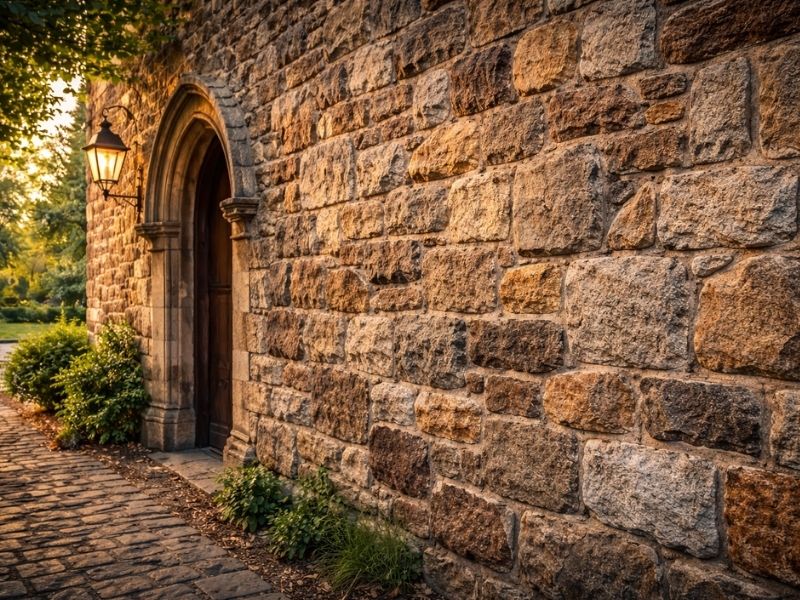
Natural stone masonry uses real stone from a quarry. A mason cuts or shapes it and sets it in mortar. It’s heavy, dense, and built to last. It also costs more to buy and install.
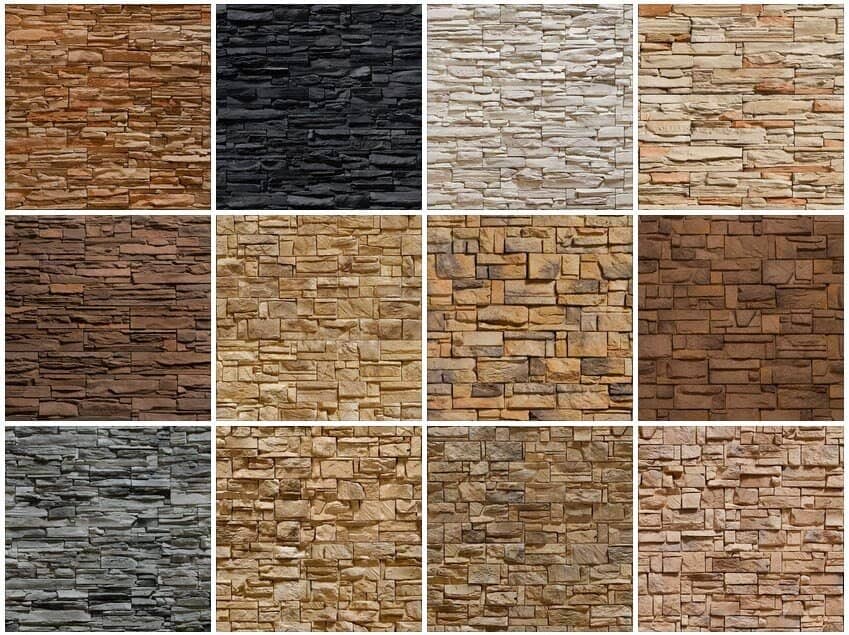
Manufactured stone veneer is made from concrete. It’s shaped to look like natural stone. It weighs less, costs less, and goes up faster. From far away it looks fine. Up close, after a few years, it starts to look like what it is.
For outdoor projects that take a beating from weather and daily use, natural stone holds up better. For inside the home where looks matter more than toughness, veneer can save you money without much sacrifice. Knowing which one fits your project changes everything about the cost decision.
Projects Where Stone Masonry Is Worth the Cost
Accent walls and exterior stone facades
A stone wall on the front of your home is one of the best uses of stone masonry money. It changes how the property looks right away. And unlike paint or siding, you don’t redo it every few years.
Natural stone keeps its color and texture for decades. It doesn’t peel, fade, or crack the way wood or composite materials do. Appraisers and buyers both respond well to stone on the outside of a home.
The upfront cost is real. But a stone facade that lasts 40 or 50 years with almost no maintenance often costs less per year than cheaper options that need constant work.
Stone steps and entry features
Steps take a lot of punishment. Heavy foot traffic, rain, sun, and temperature changes wear down soft materials fast. Concrete cracks. Wood rots. Composite materials go dull and brittle.
Natural stone steps installed on a solid base last for generations. Bluestone, granite and limestone are the most common choices for home steps. All three outlast the alternatives by a wide margin.
Stone entry features also boost curb appeal. A stone front step tells a buyer something good about the home before they even walk inside.
Stone garden walls and raised beds
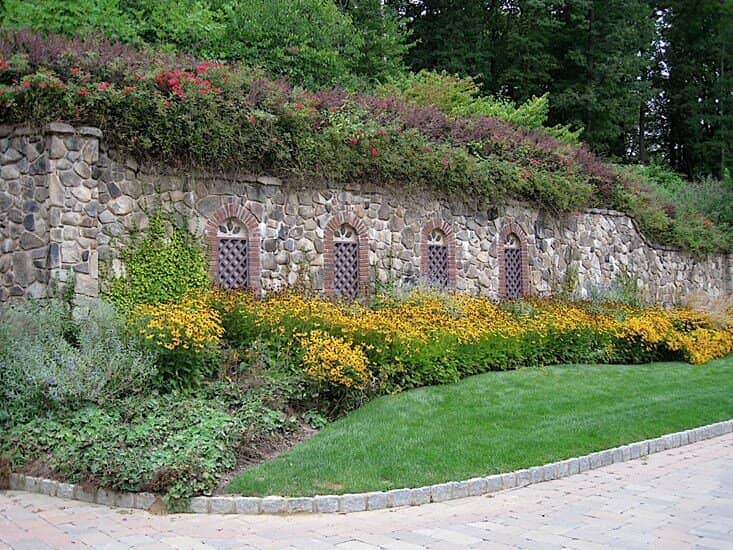
A stone garden wall is one of the few outdoor features that actually looks better as it gets older. The stone weathers. It picks up a natural patina. It settles into the yard like it was always there.
These walls do real work too. They define outdoor spaces and hold back soil on sloped ground. They don’t rot, warp, or need to be replaced the way wood or composite edging does.
A stone garden wall costs more to build than a timber or concrete block wall. But a stone wall built 30 years ago still looks good. Most wood walls from that era are gone.
Stone columns and pillars
Stone columns at a driveway entrance or front porch carry a lot of visual weight. They look permanent because they are permanent.
They don’t shift, crack, rust, or need paint. The only care they need is a check of the mortar joints every few years and repointing when the joints show wear. For homeowners who want something that stays attractive with little effort, stone columns deliver.
Projects That Need More Thought
Stone masonry doesn’t make sense for every project.
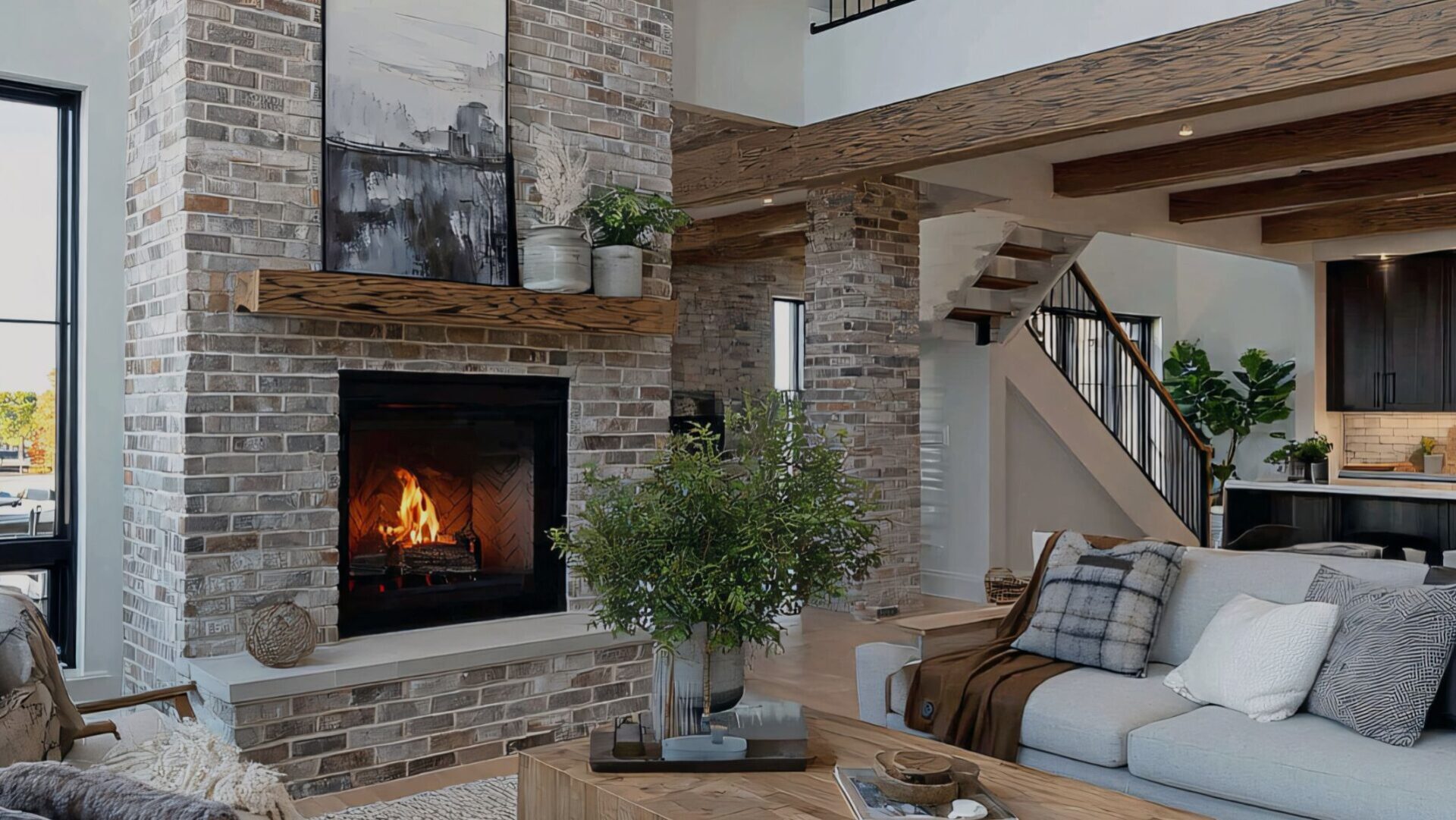
Interior stone accent walls can look great, but inside the house, manufactured veneer often gives you a similar look for much less money. There’s no weather exposure indoors, so the toughness advantage of natural stone mostly disappears.
Stone patios are popular, but whether the cost pays off depends on the home and the neighborhood. A stone patio on a modest property in a modest area may not add much at resale. The same patio on a higher-value property can return close to what it cost.
Pool surrounds and large outdoor living spaces in stone are beautiful. But they’re a big investment. They pay off clearly in some markets and property types but not in others. If you plan to sell within five years, talk to a local real estate professional before you commit.
How Weather Affects Stone Masonry
Heat, humidity and cold winters are the main factors that affect how stone holds up over time.
Most natural stone handles heat well. Granite, bluestone and quartzite are stable in hot weather and don’t soak up enough moisture to crack in mild freezes. In colder climates, denser stone with a low water absorption rate holds up best through winter.
Mortar is the bigger concern in wet or humid areas. Repeated moisture exposure wears mortar down faster than in dry climates. Using the right mortar type and checking the joints regularly adds years to any stone installation.
Moss can grow on stone in shaded spots. It doesn’t hurt the stone, but it can make the surface slippery. A simple cleaning with a masonry cleaner takes care of it without damaging anything.
Questions to Ask a Mason Before You Start
A few questions separate good masons from ones who cut corners.
Ask what mortar they use outside. The answer should be Type S mortar or something rated for outdoor use. If they hesitate, that’s a problem.
Ask how they handle the base for steps or walls. Most stone masonry failures start at the base, not the stone itself. A mason who talks clearly about footings and drainage knows what they’re doing.
Ask to see finished work that’s at least a year old. New work always looks good. Work after a full year of weather tells you the real story.
Frequently Asked Questions
Is stone masonry worth the cost for a home?
For projects that get heavy use, face outdoor weather, or need to last a long time, yes. Stone masonry holds up better and costs less to maintain over many years than most alternatives. The upfront price is higher, but the long-term cost is often lower.
What is the difference between natural stone and manufactured stone veneer?
Natural stone comes from a quarry and is set in mortar. Manufactured veneer is a concrete product shaped to look like stone. Natural stone is tougher and lasts longer outdoors. Veneer is a good lower-cost option for indoor decorative use where weather resistance doesn’t matter.
Which stone masonry projects return the most value?
Exterior stone facades, stone steps, garden walls, and stone columns return the most. These projects are visible, built to last, and tied to the overall condition of the property.
How long does natural stone masonry last?
A well-built stone masonry installation can last 50 to 100 years or more. The mortar joints usually show wear first, around 25 to 30 years in. Repointing the joints restores the installation without replacing the stone.
What mortar should be used for outdoor stone masonry?
Type S mortar is the standard for outdoor stone work. It handles temperature changes, moisture and ground movement better than Type N. Using the wrong mortar is one of the most common reasons stone masonry fails early.