What Makes Poolside Masonry Comfortable and Easy to Maintain

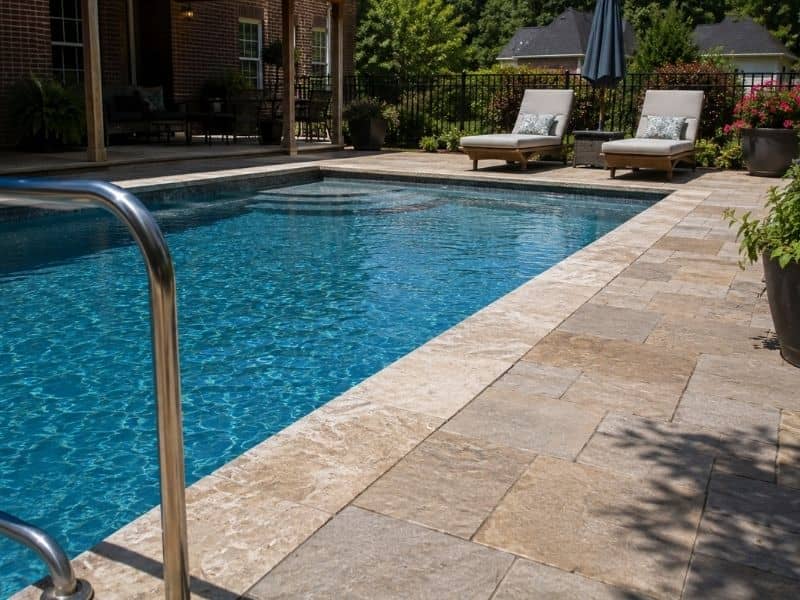
Pool masonry with a stone deck around a residential swimming pool in Alabama

Building a pool comes with more choices than most homeowners expect, and one of the biggest is the masonry around the water. Pool masonry sets the tone for how the whole space feels, from the first step outside to the moment you sit on the edge and dip your feet in. Before any brick or stone goes down, a construction survey helps map out the yard, check the slope and plan where water needs to go. Get that step right, and everything built on top of it, including your pool masonry, works better and lasts longer.

Pool Masonry Surfaces That Stay Comfortable Under Alabama Sun

Alabama summers stretch on for months, and pool decks sit right in the sun for most of the day. Dark, dense materials soak up heat fast and hold onto it, which makes barefoot walking painful by early afternoon. Lighter colors and textured finishes stay cooler because they reflect more light and don’t store as much warmth.

Texture matters just as much as color. A smooth, polished surface looks nice in photos, but it turns slick the second it gets wet, and it heats up quickly too. A surface with a bit of grip, like a brushed or textured finish, stays safer underfoot and doesn’t get as hot to the touch.

Homeowners in Auburn often ask which surface feels best on a July afternoon. The answer usually comes down to picking a lighter shade with some texture built in, especially around the areas kids run through the most. Small choices like this make a real difference every single day the pool gets used.

Pool Coping Details That Make Getting In and Out Easier

Coping is the edge that caps off the pool, and it does more work than people realize. The shape of that edge decides how comfortable it feels to sit on, lean against or push off from when you get out of the water.

A rounded edge feels softer under legs and hands. A sharp, square edge might look modern, but it can dig into skin during a long pool day. Bullnose coping, which curves smoothly over the top, tends to be the more comfortable pick for families who spend hours by the water.

Grip counts here too. Wet feet need something to hold onto near ladders and steps, so a slightly textured coping surface helps stop slips right where people are most likely to fall. Smooth stone might photograph well, but a textured edge earns its keep every time someone climbs out dripping wet.

Getting these details right up front saves headaches later. Redoing coping after a pool is finished costs far more than planning it correctly the first time.

Low-Maintenance Pool Masonry for a Long Swimming Season

Alabama’s pool season runs long, often from early spring through October. That means months of sunscreen, splashed water, dirt and grass clippings tracked across the deck. Some surfaces hide that mess better than others.

Porous materials soak up oils from sunscreen and lotion, leaving stains that get harder to remove the longer they sit. A denser, sealed surface resists that kind of staining and wipes clean with a hose and mild soap instead of a scrub brush.

Grout lines deserve attention too. Wide, deep grout joints collect dirt and algae over time, while tighter joints with a sealed finish stay cleaner with less effort. Choosing the right combination from the start means fewer weekends spent scrubbing and more time actually swimming.

Drainage Around Pool Masonry That Helps Keep Surfaces Cleaner

Water that has nowhere to go becomes a problem fast. Standing puddles on a pool deck attract algae, leave mineral stains and turn walking surfaces slick even after the sun comes back out.

A pool deck should slope gently away from the water, guiding runoff toward a drain instead of letting it pool near chairs and walkways. In Auburn’s mix of heavy summer rain and dry stretches, that slope keeps the surface drying out fast instead of staying damp for days.

Drains placed at the low points catch debris before it builds up, and channel drains along the edges of larger decks stop water from pooling in low spots. Skipping this step during construction almost always leads to bigger cleaning headaches, and sometimes cracked masonry, a few years down the road.

Easy-Care Pool Masonry Choices for Year-Round Outdoor Use

Pool masonry doesn’t get a break once the water cools off. Alabama winters are mild, so the deck stays exposed to weather and foot traffic even during the months when the pool sits empty.

Materials that expand and contract too much with temperature swings can crack over time. It helps to choose masonry rated for the kind of freeze and thaw cycles that show up in the region, even if they’re brief. A quality sealant reapplied every couple of years also protects the surface between busy swimming seasons.

Furniture placement plays a role as well. Moving chairs and tables around instead of leaving them in one spot for months prevents uneven fading and keeps the surface looking consistent everywhere, not patchy in a few high traffic spots.

Frequently Asked Questions

What type of masonry is best around a pool? 

The best choice depends on a few things: how slip-resistant it is, how much heat it holds onto, how it handles constant water exposure and how much upkeep you’re willing to do. No single material wins in every yard, so it comes down to matching the surface to how the pool actually gets used.

How do you keep pool masonry clean? 

Regular sweeping keeps dirt and debris from building up between deeper cleanings. A hose and mild soap handle most day-to-day grime. Removing leaves, grass or other organic material quickly stops stains from setting in before they soak into the surface.

Does pool masonry get hot in Alabama? 

Yes, and how hot depends on a few factors. Direct sun exposure, the density of the material, its color and its texture all play a role. Darker, smoother surfaces heat up the most, while lighter, textured ones stay noticeably cooler underfoot.

How can pool masonry be made easier to maintain? 

Picking a surface finish suited to constant water exposure is a good starting point. Planning drainage so water doesn’t sit on the deck helps too, and choosing materials that hold up to frequent cleaning without staining or wearing down keeps maintenance manageable season after season.

What should I consider when choosing pool masonry for an extended swimming season? 

Think about how comfortable the surface feels underfoot, how it handles constant splashing, how often you’re willing to clean it and whether it drains well. Auburn’s long warm season means the deck gets used almost daily for months, so comfort and upkeep both deserve real thought before construction starts.

Brick Edging That Keeps Landscaping Neat and Defined

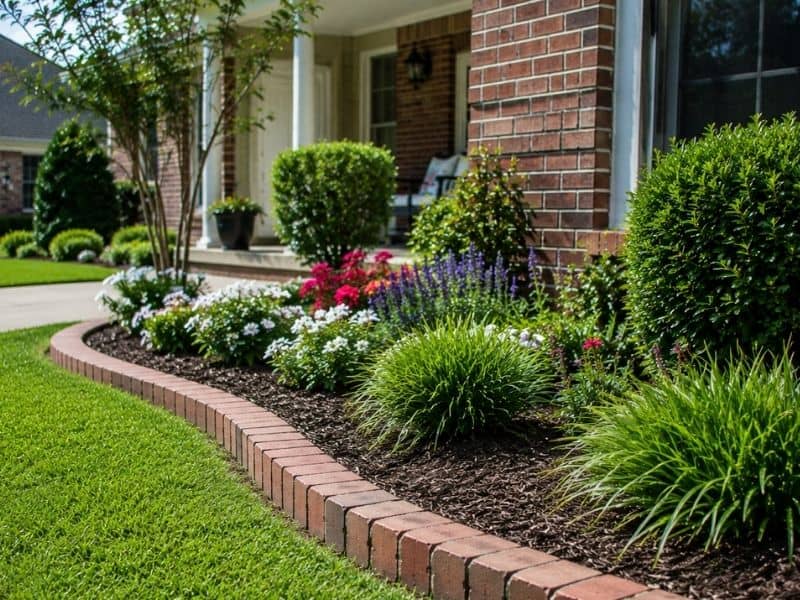
Brick edging creating a clean curved border between a front lawn and landscaped flower bed.

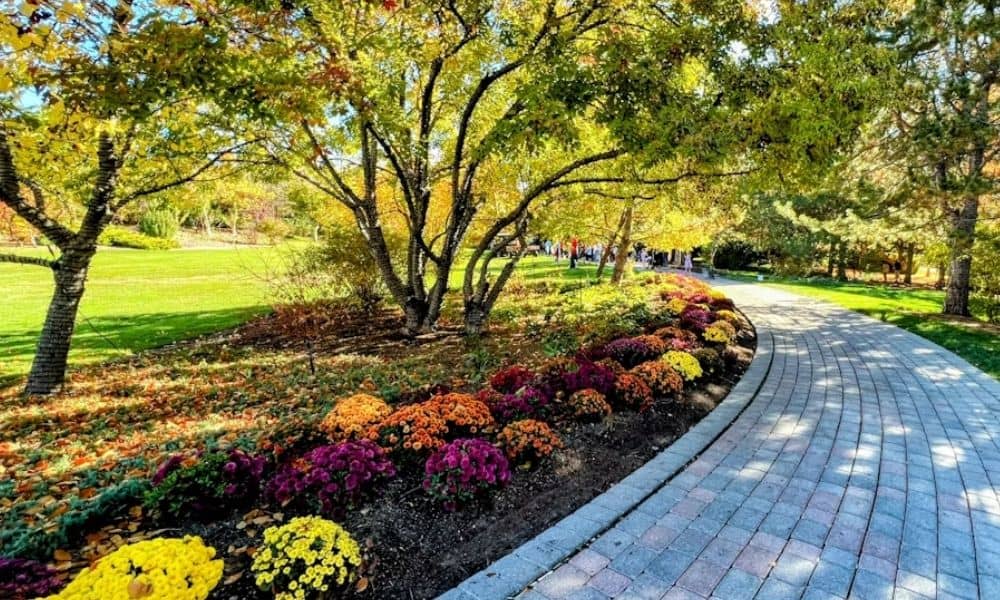
A quick construction survey of most front yards shows the same problem: grass creeping into flower beds, mulch spilling onto the lawn, and no clear line between one section and the next. Brick edging fixes that. It gives a front yard a clean border between grass and planting areas, and it holds that line season after season. For homeowners, brick edging is a simple way to make a front yard look more put together without changing the whole layout.

Using Brick Edging to Separate Lawn From Planting Areas

A front yard usually has a few different zones: the lawn, a flower bed near the porch, maybe a mulched area under a tree. Without a border, those zones blend together. Grass creeps into the mulch. Mulch washes onto the sidewalk after a storm. Brick edging draws a line that keeps each section where it belongs.

This isn’t about adding a decorative feature for its own sake. It’s about organization. A row of edging along a flower bed tells the eye exactly where the lawn stops, which makes the whole yard read as more deliberate. Even a small front yard looks bigger and more organized once the sections are clearly marked.

Planning Brick Edging Around Existing Front Yard Features

Most front yards already have fixed points: a mailbox, a tree, a walkway, maybe a porch step that juts out into the lawn. Edging has to work around these instead of ignoring them.

A mailbox post is a good example. Edging can curve around the base to create a small planting ring, which turns an awkward patch of grass into something intentional. Around trees, the edging usually follows the drip line or a slightly wider circle, giving roots room while still marking the boundary clearly.

Driveways and sidewalks are trickier because the edging often needs to run parallel to a straight hardscape edge. Keep a consistent gap between the brick line and the concrete, so the space between them doesn’t look like an accident. For irregular lawn shapes, the goal is to let the edging follow the shape that already exists rather than forcing a new one. A front yard with a bowed section near the street doesn’t need to be squared off. The edging can simply trace that curve.

Picking Brick Colors and Patterns for Front Yard Appeal

Color makes a bigger difference than most people expect. A brick that closely matches the house creates a subtle, blended look. A brick with more contrast, like a lighter tan against a red-brick home, makes the border stand out as its own feature. Neither is wrong. It comes down to whether the goal is a quiet accent or a visible line.

Size and orientation matter too. Standard bricks laid flat give a low, understated edge. Bricks turned on their side or set at a diagonal add a bit of texture without much extra cost. A simple repeating pattern, like alternating two brick tones every few feet, can add interest along a longer bed. The key word there is simple. A front yard border isn’t the place for anything too busy. It should support the landscaping, not compete with it.

Making Brick Edging Work With Different Lawn Shapes

Straight lawns are the easiest case. Set a string line, keep the bricks tight against each other, and the result looks clean almost automatically. Curved lawns take more planning. A gentle curve works with standard bricks angled slightly against one another, and consistent spacing is what makes the curve look smooth from the street rather than choppy up close.

Irregular shapes, like a lawn that narrows near a side gate or widens around a corner bed, need the most attention. The trick is keeping the spacing between bricks even throughout, even as the direction of the line changes. Uneven gaps are what make a curve look accidental instead of planned. From the sidewalk, a well-laid curve should look like it was always meant to be there.

Keeping Brick Edging Looking Clean Through the Seasons

Edging needs some upkeep to stay sharp, though it’s not a heavy job. Grass along the border tends to creep over the bricks during the growing season, so trimming that back every few weeks keeps the line visible. Leaves and debris pile up along any raised edge, especially in fall, and clearing them out keeps mulch beds from looking neglected.

It’s also worth walking the border a couple times a year to check for bricks that have shifted or sunk slightly out of line. Small adjustments are easy to fix by hand. Refreshing the mulch or ground cover inside the bed every season also helps, since faded or thin mulch makes even a perfectly straight edge look tired. None of this takes much time, but it’s the difference between edging that looks sharp year-round and edging that slowly fades into the background.

Frequently Asked Questions

What is brick edging used for in a front yard?

It separates the lawn from flower beds, mulch areas, and other landscaped sections. This gives the yard a more defined, organized look instead of one area blending into the next.

Can brick edging improve front yard curb appeal? 

Yes. A clean, consistent border makes planting areas look more intentional and can complement the home’s existing exterior, especially when the brick tone is chosen to match or contrast with the house.

Can brick edging follow an uneven lawn border?

Yes. Brick edging can trace gradual curves and irregular boundaries as long as the spacing between bricks stays consistent, which keeps the line looking smooth rather than choppy.

What brick color works best for landscape edging?

The best choice depends on the home’s exterior and existing hardscape. Matching tones create a blended look, while contrasting tones make the border stand out as its own feature.

How do you keep brick edging neat? 

Clear away leaves and debris regularly, trim back grass that grows over the border, and check every so often for bricks that have shifted or sunk out of alignment.

How a Masonry Seat Wall Can Improve an Outdoor Gathering Space

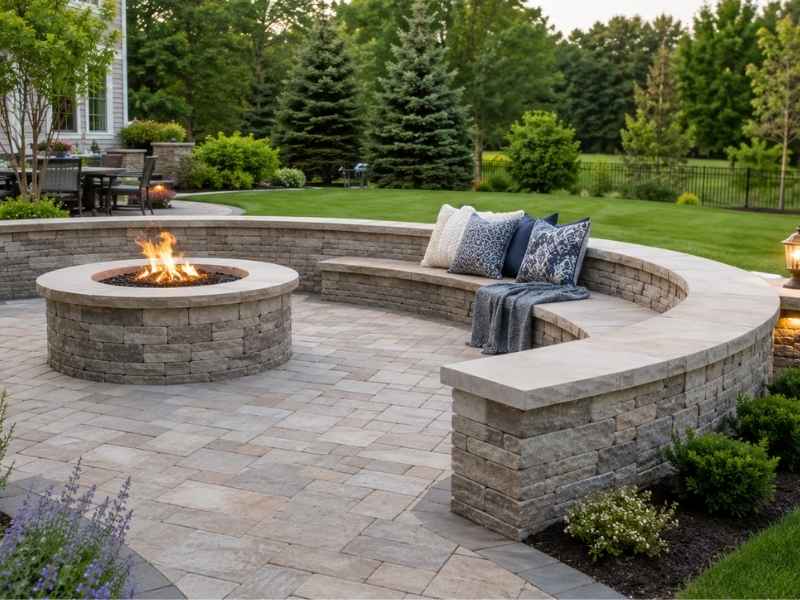
Masonry seat wall in Auburn Alabama adding built in outdoor seating and structure to a landscaped gathering space.

A seat wall does two jobs at once. It gives people a place to sit, and it gives an outdoor space a clear shape. That’s a rare combo in landscape design. Most features either look good or work well, but a seat wall pulls off both without needing extra furniture cluttering up the yard. If you’ve ever hosted a backyard gathering and watched guests hover around with nowhere comfortable to land, a seat wall solves that problem in a pretty simple way.

Creating Defined Outdoor Seating Areas With a Built-In Masonry Feature

Open yards can feel a little aimless without something to organize them. A seat wall changes that fast. It marks off a spot and tells people, without a sign or a fence, that this is where the gathering happens.

That kind of built-in structure gives a yard a sense of purpose. Instead of a wide open lawn where everyone stands around unsure where to settle, a seat wall creates a natural gathering point. Guests drift toward it the way people drift toward a kitchen island at a party. It’s not a retaining wall holding back a slope, and it’s not a patio surface underfoot. It’s a standalone feature built specifically to shape how people use the space around it.

How Seat Walls Add Comfort and Function to Landscape Designs

Extra seating sounds like a small thing until you’re hosting fifteen people and only have room for six chairs. A seat wall solves that instantly, giving guests a place to sit without hauling out folding chairs or crowding around a small table.

Function goes beyond just seating, too. A well-placed seat wall can wrap around a fire pit, line the edge of a patio, or frame a garden bed, doing double duty as both furniture and structure. That combination makes outdoor spaces feel more usable day to day, not just during a party. A yard with built-in seating invites people to actually sit outside and stay a while, instead of walking through it on the way to somewhere else.

Design Options for Masonry Seat Walls That Match Different Home Styles

A seat wall doesn’t have to look like everyone else’s. Shape alone changes the character of the whole feature. A straight run works well for framing a patio edge, while a curved wall softens the space and creates a more relaxed, gathered feeling around a fire pit or seating circle.

Finishes shift the personality further, from a smooth, contemporary surface to a more textured, traditional look that leans into an older home’s style. Cap styles matter more than people expect, too. A wide, flat cap makes the wall genuinely comfortable to sit on, while a narrower cap leans more decorative than functional. Design details like these let a seat wall fit almost any property, whether the home has a modern edge or a more classic feel.

Planning the Location and Layout of an Outdoor Masonry Seat Wall

Placement decides whether a seat wall gets used or just sits there looking nice. Traffic flow matters first. A wall positioned right in the path people naturally walk creates friction instead of comfort, so it needs enough clearance around it for foot traffic to move freely.

Views deserve some thought too. A seat wall facing a garden, a fire feature, or an open part of the yard gives people a reason to actually sit down and stay. Conversation areas benefit from layout choices as well, since walls angled toward each other, rather than lined up in a straight row, make it easier for groups to talk without craning their necks. The wall also needs to connect naturally with the rest of the landscape design, tying into existing paths, patios, or planting beds instead of feeling like it was dropped into the yard on its own.

Long-Term Considerations Before Adding a Permanent Outdoor Seat Wall

A seat wall is a permanent feature, so it’s worth thinking past the first season. Material durability matters a lot here, since the wall needs to hold up to years of sitting, weather, and general outdoor wear without cracking or shifting.

Maintenance expectations vary by material too. Some finishes need almost no upkeep, while others benefit from occasional sealing or cleaning to keep their appearance sharp. Weather exposure plays into that decision as well, especially in regions with harsh winters or heavy sun that can wear down certain materials faster than others. Future outdoor plans are worth factoring in too. A seat wall placed with room to grow around it fits better into whatever changes a yard might go through down the line, instead of becoming an obstacle to work around later.

Frequently Asked Questions

What is a masonry seat wall used for? 

A seat wall provides built-in outdoor seating while also adding structure and shape to a landscape. It works as both a functional feature and a visual anchor for the space around it.

How tall should an outdoor masonry seat wall be? 

Height usually comes down to comfort and intended use. Most seat walls sit around standard chair height so they’re actually comfortable to use, though some homeowners adjust height based on design goals or the wall’s other purposes.

Can a masonry seat wall be added to an existing yard? 

Yes, in most cases. Seat walls can often fit into an existing outdoor space once the layout, traffic flow, and site conditions have been properly considered.

What materials can be used to build a masonry seat wall? 

Several masonry materials work well for seat walls, each offering a different look and feel. Homeowners typically choose based on how the material matches their outdoor style and how much upkeep they want to take on.

Does a masonry seat wall require professional installation? 

Yes, generally. Proper planning, solid construction methods, and the right material selection all matter for building a seat wall that holds up and performs well for years.

What Homeowners Should Know Before Adding an Indoor Fireplace

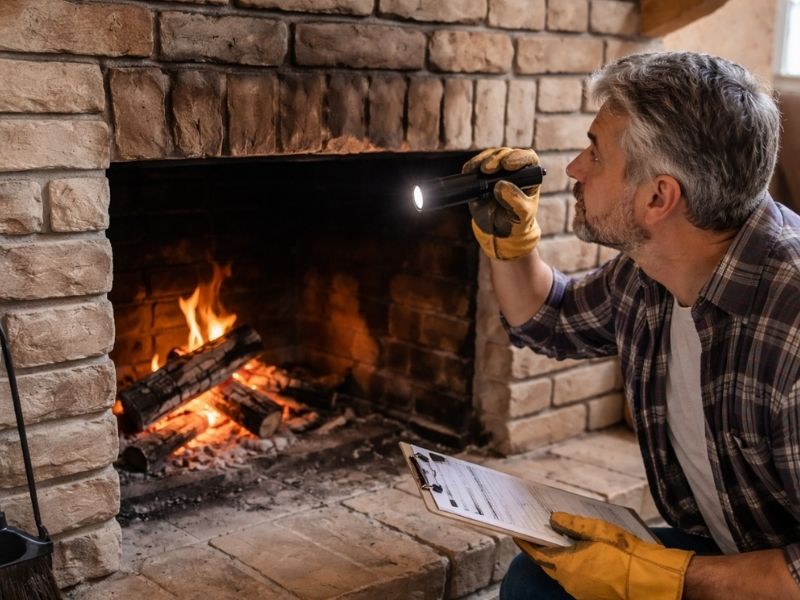
Homeowner inspecting a brick indoor fireplace in a living room

Adding an indoor fireplace sounds simple until the contractor starts asking questions you didn’t expect. What type of fuel? Where does the vent go? How thick are your walls? Getting ahead of those questions before construction starts saves time, money and a lot of frustration. Here’s what every homeowner should know before the project begins.

How Room Size and Layout Influence Fireplace Placement

Where a fireplace goes in a room affects more than just aesthetics. It affects how heat moves through the space and how comfortable the room feels when the fire is burning.

Why Location Affects Heat Distribution and Comfort

A fireplace on an exterior wall loses more heat to the outside than one positioned on an interior wall. In cooler climates, that placement difference can affect how well the fireplace actually warms the room.

Ceiling height matters too. Rooms with high ceilings need more heat output to feel warm at floor level. A fireplace that works well in a standard eight-foot room may underperform in a space with twelve-foot ceilings.

The goal is placing the fireplace where heat can move through the room naturally, not just look good on a floor plan.

Open-Concept Versus Traditional Floor Plans

Open-concept homes present a real challenge. A fireplace in a large open space may struggle to heat the area effectively because there are no walls to hold the warmth in.

Traditional floor plans with defined rooms are better suited to fireplace heating. Smaller enclosed spaces let heat build up rather than dissipate into adjacent areas.

If the home has an open layout, the fireplace may work better as a visual feature than a primary heat source. Planning for that from the start prevents disappointment later.

Choosing Between Wood-Burning, Gas, and Electric Options

The fuel type affects everything: installation cost, ongoing maintenance and how the fireplace gets used day to day.

Fuel Types and What Homeowners Should Consider

Wood-burning fireplaces deliver the most authentic experience. The crackling sound and smell are hard to replicate. But they require a full chimney system, a wood supply and regular cleaning. They also produce the most smoke and particulate emissions.

Gas fireplaces are easier to operate. A switch or remote starts the fire instantly. They require a gas line and a venting system, but they produce less mess than wood and are generally easier to maintain.

Electric fireplaces are the most flexible option. They don’t require venting at all. They can be installed almost anywhere there’s an outlet. The trade-off is that the visual effect is less convincing and they don’t produce real radiant heat the way gas or wood does.

Maintenance and Convenience Differences

Wood-burning fireplaces need annual chimney inspections and regular cleaning to prevent creosote buildup. Gas fireplaces need periodic checks of the burner and gas connections. Electric units need almost no maintenance beyond occasional cleaning of the glass or surround.

Homeowners who want low maintenance should lean toward gas or electric. Those who want the full traditional experience should be prepared for the work that comes with wood.

Why Brick and Masonry Materials Matter for Long-Term Performance

The materials around a fireplace aren’t just decorative. They have to handle intense heat repeatedly without cracking, crumbling or becoming a safety hazard.

Heat Resistance and Durability

Firebrick is the standard material used inside the firebox. It’s designed specifically to handle high temperatures. Standard brick or stone may look similar but can crack under repeated heat exposure.

The mortar used in fireplace construction also matters. Regular mortar breaks down at high temperatures. Refractory mortar is formulated for heat resistance and should be used throughout the firebox and surrounding structure.

Cutting corners on materials inside the firebox is one of the more common mistakes in fireplace construction. The consequences show up months or years later, not immediately.

How Material Choices Affect Appearance and Lifespan

Natural stone and full brick surrounds last for decades when installed correctly. They’re heavy, which means the floor structure may need reinforcement, but they hold up well over time.

Manufactured stone and tile veneers are lighter and less expensive. They can look good and hold up reasonably well when installed over the right substrate with the right adhesives. They’re not as durable under direct heat exposure as natural masonry but work fine for the surround area outside the firebox.

Choosing materials that match both the budget and the expected use makes the most sense.

Understanding Venting and Safety Requirements Before Construction

Every indoor fireplace needs a plan for where combustion gases go. Getting this right before construction starts prevents expensive changes after the fact.

Chimneys, Flues, and Clearance Requirements

Wood-burning and gas fireplaces require a flue to vent combustion gases out of the home. The flue must be sized correctly for the fireplace opening. A flue that’s too small won’t draw properly. One that’s too large can cause drafting problems.

Clearance requirements specify how far combustible materials must be from the firebox opening, the hearth and the flue. These requirements exist in building codes and are enforced at inspection. They’re not suggestions.

Prefabricated fireplaces come with manufacturer-specified clearances. Masonry fireplaces are governed by local building code requirements. Both need to be reviewed before framing begins.

Why Proper Planning Prevents Costly Changes Later

Chimneys that run through multiple floors require careful routing. If that routing isn’t planned before the framing is done, adding a chimney later means cutting through finished walls, ceilings and possibly the roof.

The same applies to gas lines. Running a gas line to a fireplace location is much simpler during rough construction than after walls are closed. Planning the fireplace location before any framing starts gives the most flexibility and keeps costs down.

Design Features That Make an Indoor Fireplace Feel Built-In

A fireplace that looks like it was always part of the home requires attention to the details around it, not just the firebox itself.

Mantels, Hearths, and Surrounding Brickwork

The mantel frames the fireplace and ties it visually to the room. Wood mantels are traditional and versatile. Stone or concrete mantels work well in modern or industrial interiors.

The hearth extends in front of the firebox and serves both a safety and a visual function. It needs to be a non-combustible material and extend a minimum distance in front of and to the sides of the opening per code.

The surround, the area of wall between the mantel and the firebox, is where brick, stone or tile ties the whole assembly together.

Matching the Fireplace to the Home’s Architectural Style

A fireplace that clashes with the home’s existing architecture looks like an afterthought. A craftsman home calls for different details than a contemporary one.

Taking cues from existing molding profiles, material finishes and proportions helps the fireplace feel like it belongs. This is worth discussing with whoever is designing or installing the unit before materials are ordered, not after.

Frequently Asked Questions

Do I need a permit to add an indoor fireplace? 

Yes, in most areas. Permits cover structural work, venting and fire safety. Inspections verify code compliance. Skipping the permit creates liability and can complicate future home sales.

Can any room have a fireplace? 

Most rooms can with the right planning. 

The main constraints are venting requirements and structural support for heavier masonry units. Electric fireplaces have the fewest restrictions.

What is the safest type of indoor fireplace? 

Any properly installed fireplace that meets local code is safe. Gas units eliminate risks from wood storage and creosote. Electric units have no combustion at all.

How long does installation take? 

A prefabricated unit can be done in a few days. A full masonry fireplace with a new chimney can take several weeks depending on scope and permit timelines.

What fuel type is easiest to maintain? 

Electric requires the least maintenance. Gas comes second with periodic burner checks. Wood-burning requires the most upkeep including annual chimney cleaning and inspection.

Stone Masonry at Home: Which Projects Are Worth the Cost

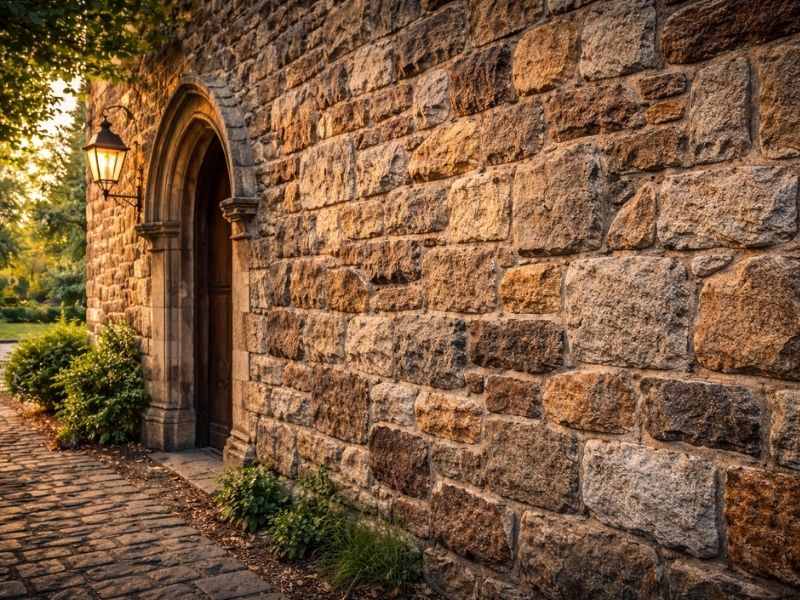
Natural stone masonry wall and entryway showing durable exterior stone construction

Stone masonry costs more than most other building materials. That’s no surprise. But the right stone masonry project can last longer than almost anything else you put money into. It can also need very little care over the years. The real question is which projects are worth the price and which ones are not.

Natural Stone vs. Manufactured Stone Veneer

This difference matters before you look at any specific project.

Natural stone masonry uses real stone from a quarry. A mason cuts or shapes it and sets it in mortar. It’s heavy, dense, and built to last. It also costs more to buy and install.

Manufactured stone veneer is made from concrete. It’s shaped to look like natural stone. It weighs less, costs less, and goes up faster. From far away it looks fine. Up close, after a few years, it starts to look like what it is.

For outdoor projects that take a beating from weather and daily use, natural stone holds up better. For inside the home where looks matter more than toughness, veneer can save you money without much sacrifice. Knowing which one fits your project changes everything about the cost decision.

Projects Where Stone Masonry Is Worth the Cost

Accent walls and exterior stone facades

A stone wall on the front of your home is one of the best uses of stone masonry money. It changes how the property looks right away. And unlike paint or siding, you don’t redo it every few years.

Natural stone keeps its color and texture for decades. It doesn’t peel, fade, or crack the way wood or composite materials do. Appraisers and buyers both respond well to stone on the outside of a home.

The upfront cost is real. But a stone facade that lasts 40 or 50 years with almost no maintenance often costs less per year than cheaper options that need constant work.

Stone steps and entry features

Steps take a lot of punishment. Heavy foot traffic, rain, sun, and temperature changes wear down soft materials fast. Concrete cracks. Wood rots. Composite materials go dull and brittle.

Natural stone steps installed on a solid base last for generations. Bluestone, granite and limestone are the most common choices for home steps. All three outlast the alternatives by a wide margin.

Stone entry features also boost curb appeal. A stone front step tells a buyer something good about the home before they even walk inside.

Stone garden walls and raised beds

A stone garden wall is one of the few outdoor features that actually looks better as it gets older. The stone weathers. It picks up a natural patina. It settles into the yard like it was always there.

These walls do real work too. They define outdoor spaces and hold back soil on sloped ground. They don’t rot, warp, or need to be replaced the way wood or composite edging does.

A stone garden wall costs more to build than a timber or concrete block wall. But a stone wall built 30 years ago still looks good. Most wood walls from that era are gone.

Stone columns and pillars

Stone columns at a driveway entrance or front porch carry a lot of visual weight. They look permanent because they are permanent.

They don’t shift, crack, rust, or need paint. The only care they need is a check of the mortar joints every few years and repointing when the joints show wear. For homeowners who want something that stays attractive with little effort, stone columns deliver.

Projects That Need More Thought

Stone masonry doesn’t make sense for every project.

Interior stone accent walls can look great, but inside the house, manufactured veneer often gives you a similar look for much less money. There’s no weather exposure indoors, so the toughness advantage of natural stone mostly disappears.

Stone patios are popular, but whether the cost pays off depends on the home and the neighborhood. A stone patio on a modest property in a modest area may not add much at resale. The same patio on a higher-value property can return close to what it cost.

Pool surrounds and large outdoor living spaces in stone are beautiful. But they’re a big investment. They pay off clearly in some markets and property types but not in others. If you plan to sell within five years, talk to a local real estate professional before you commit.

How Weather Affects Stone Masonry

Heat, humidity and cold winters are the main factors that affect how stone holds up over time.

Most natural stone handles heat well. Granite, bluestone and quartzite are stable in hot weather and don’t soak up enough moisture to crack in mild freezes. In colder climates, denser stone with a low water absorption rate holds up best through winter.

Mortar is the bigger concern in wet or humid areas. Repeated moisture exposure wears mortar down faster than in dry climates. Using the right mortar type and checking the joints regularly adds years to any stone installation.

Moss can grow on stone in shaded spots. It doesn’t hurt the stone, but it can make the surface slippery. A simple cleaning with a masonry cleaner takes care of it without damaging anything.

Questions to Ask a Mason Before You Start

A few questions separate good masons from ones who cut corners.

Ask what mortar they use outside. The answer should be Type S mortar or something rated for outdoor use. If they hesitate, that’s a problem.

Ask how they handle the base for steps or walls. Most stone masonry failures start at the base, not the stone itself. A mason who talks clearly about footings and drainage knows what they’re doing.

Ask to see finished work that’s at least a year old. New work always looks good. Work after a full year of weather tells you the real story.

Frequently Asked Questions

Is stone masonry worth the cost for a home? 

For projects that get heavy use, face outdoor weather, or need to last a long time, yes. Stone masonry holds up better and costs less to maintain over many years than most alternatives. The upfront price is higher, but the long-term cost is often lower.

What is the difference between natural stone and manufactured stone veneer? 

Natural stone comes from a quarry and is set in mortar. Manufactured veneer is a concrete product shaped to look like stone. Natural stone is tougher and lasts longer outdoors. Veneer is a good lower-cost option for indoor decorative use where weather resistance doesn’t matter.

Which stone masonry projects return the most value? 

Exterior stone facades, stone steps, garden walls, and stone columns return the most. These projects are visible, built to last, and tied to the overall condition of the property.

How long does natural stone masonry last? 

A well-built stone masonry installation can last 50 to 100 years or more. The mortar joints usually show wear first, around 25 to 30 years in. Repointing the joints restores the installation without replacing the stone.

What mortar should be used for outdoor stone masonry? 

Type S mortar is the standard for outdoor stone work. It handles temperature changes, moisture and ground movement better than Type N. Using the wrong mortar is one of the most common reasons stone masonry fails early.

Welcome to Auburn Brick Masonry

Auburn Brick Masonry specializes in stone masonry and brick masonry construction. Our expertise in masonry covers brickwork, block work, stonework, and all sorts of related products and applications. We serve the City of Auburn and the surrounding East Alabama communities.

Call us at (334) 500-4448 to discuss your project.

What is Masonry Work?

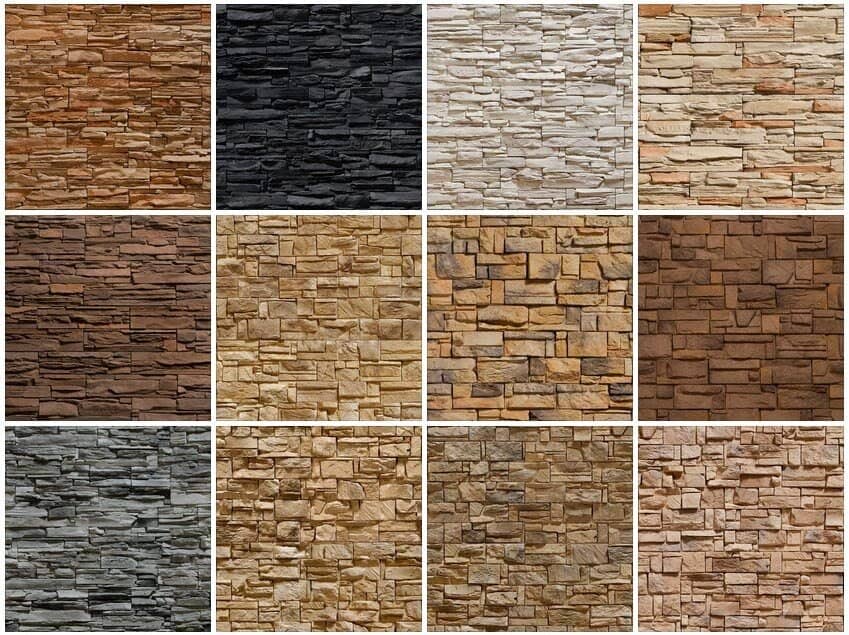
Seamless Masonry Stone WallsMasonry is building structures from individual units, which are often laid in and bound together by mortar. Common materials of masonry construction are brick, natural stone (such as marble, granite, travertine, and limestone,) cast stone, concrete block, stucco, tile, and glass block. Masonry is a highly durable form of construction.

The strength and durability of masonry are affected by the materials used, the quality of the mortar, the workmanship, and the pattern in which they are assembled. A person who constructs masonry is called a mason, a brick mason, stone mason, or bricklayer.

Applications of Masonry

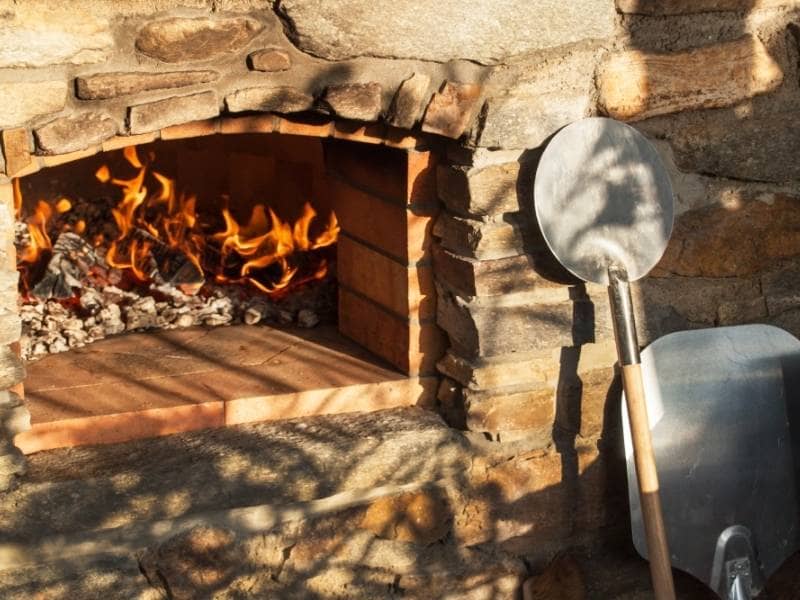
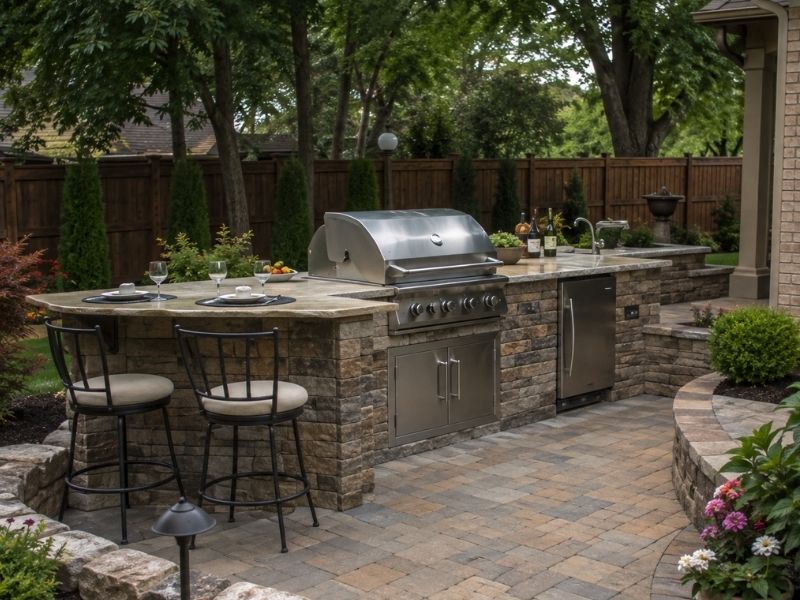
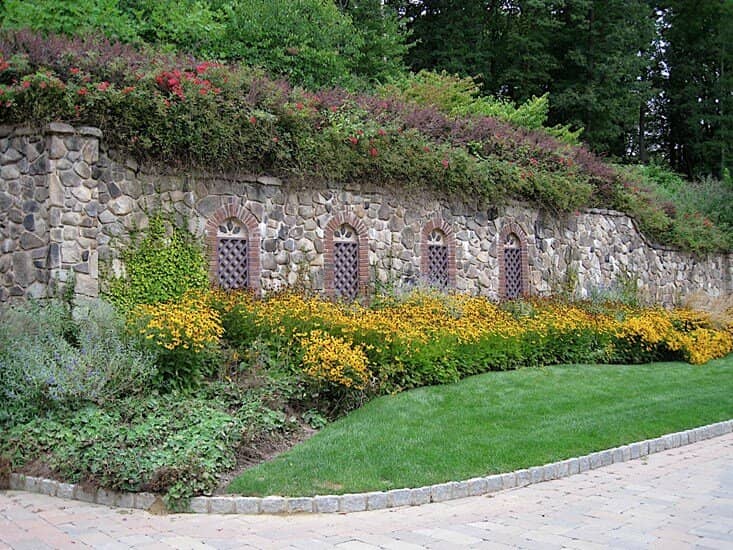
brick stone wall landscapingMasonry is commonly used for walls and buildings, either inside or outside. Brick and concrete block are the most common types of masonry in use and may be either weight-bearing or a veneer.  Stone, both natural and man-made, is being used more and more for decorative features inside, outside and in backyards. Patios, outdoor kitchens, outdoor fireplaces, fire pits, decorative walls, decking, retaining walls, landscaping or hardscaping, and lots of other amenity applications are common place now. Natural stone masonry can provide very aesthetically pleasing projects.

Advantages of Brick or Stone in Building

  • Bricks and stone masonry increases the thermal mass of a building
  • Brick and stone masonry is non-combustible and provides fire protection
  • Brick and stone masonry walls are more resistant to projectiles, such as debris from hurricanes or tornadoes.
  • Brick and stone masonry weathers well and needs much less maintenance over time than other natural materials.
  • No painting is necessary for brick or stone. Color and finish selections are almost endless.
  • Brick and stone masonry typically lasts longer than wood products
  • Brick and stone masonry has higher compressive strength compared to wood and other natural products.
  • Brick and blockwork walls provide excellent sound insulation.
  • Stone does not warp, swell, bend, splinter, or dent.
  • Brick and stone are versatile in their aesthetic appeal and can work well with other construction materials.
  • Use of brick and stone signals a strong sense of permanence and longevity.

Call Auburn Brick Masonry at (334) 500-4448 for a free quote on your brick or stone masonry project. Or, fill out the contact form to the right.