What Homeowners Should Know Before Adding an Indoor Fireplace

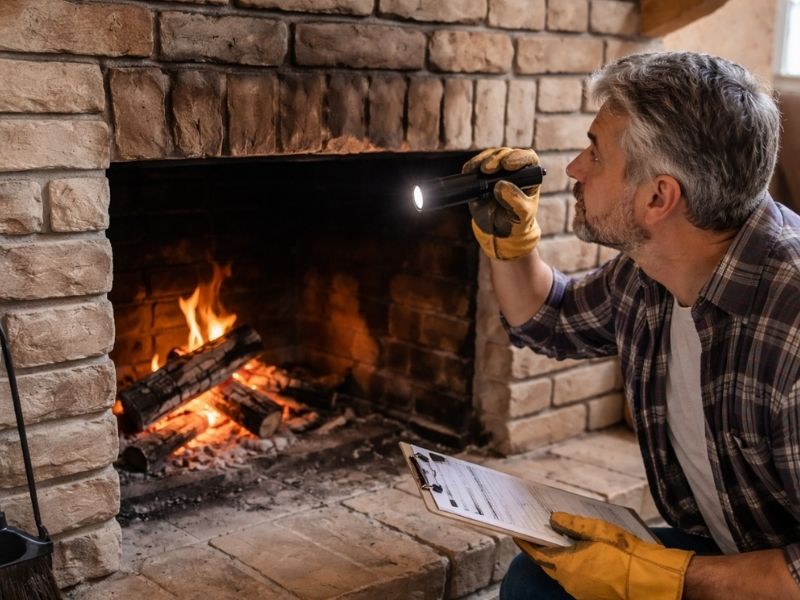
Homeowner inspecting a brick indoor fireplace in a living room

Adding an indoor fireplace sounds simple until the contractor starts asking questions you didn’t expect. What type of fuel? Where does the vent go? How thick are your walls? Getting ahead of those questions before construction starts saves time, money and a lot of frustration. Here’s what every homeowner should know before the project begins.

How Room Size and Layout Influence Fireplace Placement

Where a fireplace goes in a room affects more than just aesthetics. It affects how heat moves through the space and how comfortable the room feels when the fire is burning.

Why Location Affects Heat Distribution and Comfort

A fireplace on an exterior wall loses more heat to the outside than one positioned on an interior wall. In cooler climates, that placement difference can affect how well the fireplace actually warms the room.

Ceiling height matters too. Rooms with high ceilings need more heat output to feel warm at floor level. A fireplace that works well in a standard eight-foot room may underperform in a space with twelve-foot ceilings.

The goal is placing the fireplace where heat can move through the room naturally, not just look good on a floor plan.

Open-Concept Versus Traditional Floor Plans

Open-concept homes present a real challenge. A fireplace in a large open space may struggle to heat the area effectively because there are no walls to hold the warmth in.

Traditional floor plans with defined rooms are better suited to fireplace heating. Smaller enclosed spaces let heat build up rather than dissipate into adjacent areas.

If the home has an open layout, the fireplace may work better as a visual feature than a primary heat source. Planning for that from the start prevents disappointment later.

Choosing Between Wood-Burning, Gas, and Electric Options

The fuel type affects everything: installation cost, ongoing maintenance and how the fireplace gets used day to day.

Fuel Types and What Homeowners Should Consider

Wood-burning fireplaces deliver the most authentic experience. The crackling sound and smell are hard to replicate. But they require a full chimney system, a wood supply and regular cleaning. They also produce the most smoke and particulate emissions.

Gas fireplaces are easier to operate. A switch or remote starts the fire instantly. They require a gas line and a venting system, but they produce less mess than wood and are generally easier to maintain.

Electric fireplaces are the most flexible option. They don’t require venting at all. They can be installed almost anywhere there’s an outlet. The trade-off is that the visual effect is less convincing and they don’t produce real radiant heat the way gas or wood does.

Maintenance and Convenience Differences

Wood-burning fireplaces need annual chimney inspections and regular cleaning to prevent creosote buildup. Gas fireplaces need periodic checks of the burner and gas connections. Electric units need almost no maintenance beyond occasional cleaning of the glass or surround.

Homeowners who want low maintenance should lean toward gas or electric. Those who want the full traditional experience should be prepared for the work that comes with wood.

Why Brick and Masonry Materials Matter for Long-Term Performance

The materials around a fireplace aren’t just decorative. They have to handle intense heat repeatedly without cracking, crumbling or becoming a safety hazard.

Heat Resistance and Durability

Firebrick is the standard material used inside the firebox. It’s designed specifically to handle high temperatures. Standard brick or stone may look similar but can crack under repeated heat exposure.

The mortar used in fireplace construction also matters. Regular mortar breaks down at high temperatures. Refractory mortar is formulated for heat resistance and should be used throughout the firebox and surrounding structure.

Cutting corners on materials inside the firebox is one of the more common mistakes in fireplace construction. The consequences show up months or years later, not immediately.

How Material Choices Affect Appearance and Lifespan

Natural stone and full brick surrounds last for decades when installed correctly. They’re heavy, which means the floor structure may need reinforcement, but they hold up well over time.

Manufactured stone and tile veneers are lighter and less expensive. They can look good and hold up reasonably well when installed over the right substrate with the right adhesives. They’re not as durable under direct heat exposure as natural masonry but work fine for the surround area outside the firebox.

Choosing materials that match both the budget and the expected use makes the most sense.

Understanding Venting and Safety Requirements Before Construction

Every indoor fireplace needs a plan for where combustion gases go. Getting this right before construction starts prevents expensive changes after the fact.

Chimneys, Flues, and Clearance Requirements

Wood-burning and gas fireplaces require a flue to vent combustion gases out of the home. The flue must be sized correctly for the fireplace opening. A flue that’s too small won’t draw properly. One that’s too large can cause drafting problems.

Clearance requirements specify how far combustible materials must be from the firebox opening, the hearth and the flue. These requirements exist in building codes and are enforced at inspection. They’re not suggestions.

Prefabricated fireplaces come with manufacturer-specified clearances. Masonry fireplaces are governed by local building code requirements. Both need to be reviewed before framing begins.

Why Proper Planning Prevents Costly Changes Later

Chimneys that run through multiple floors require careful routing. If that routing isn’t planned before the framing is done, adding a chimney later means cutting through finished walls, ceilings and possibly the roof.

The same applies to gas lines. Running a gas line to a fireplace location is much simpler during rough construction than after walls are closed. Planning the fireplace location before any framing starts gives the most flexibility and keeps costs down.

Design Features That Make an Indoor Fireplace Feel Built-In

A fireplace that looks like it was always part of the home requires attention to the details around it, not just the firebox itself.

Mantels, Hearths, and Surrounding Brickwork

The mantel frames the fireplace and ties it visually to the room. Wood mantels are traditional and versatile. Stone or concrete mantels work well in modern or industrial interiors.

The hearth extends in front of the firebox and serves both a safety and a visual function. It needs to be a non-combustible material and extend a minimum distance in front of and to the sides of the opening per code.

The surround, the area of wall between the mantel and the firebox, is where brick, stone or tile ties the whole assembly together.

Matching the Fireplace to the Home’s Architectural Style

A fireplace that clashes with the home’s existing architecture looks like an afterthought. A craftsman home calls for different details than a contemporary one.

Taking cues from existing molding profiles, material finishes and proportions helps the fireplace feel like it belongs. This is worth discussing with whoever is designing or installing the unit before materials are ordered, not after.

Frequently Asked Questions

Do I need a permit to add an indoor fireplace? 

Yes, in most areas. Permits cover structural work, venting and fire safety. Inspections verify code compliance. Skipping the permit creates liability and can complicate future home sales.

Can any room have a fireplace? 

Most rooms can with the right planning. 

The main constraints are venting requirements and structural support for heavier masonry units. Electric fireplaces have the fewest restrictions.

What is the safest type of indoor fireplace? 

Any properly installed fireplace that meets local code is safe. Gas units eliminate risks from wood storage and creosote. Electric units have no combustion at all.

How long does installation take? 

A prefabricated unit can be done in a few days. A full masonry fireplace with a new chimney can take several weeks depending on scope and permit timelines.

What fuel type is easiest to maintain? 

Electric requires the least maintenance. Gas comes second with periodic burner checks. Wood-burning requires the most upkeep including annual chimney cleaning and inspection.

Stone Masonry at Home: Which Projects Are Worth the Cost

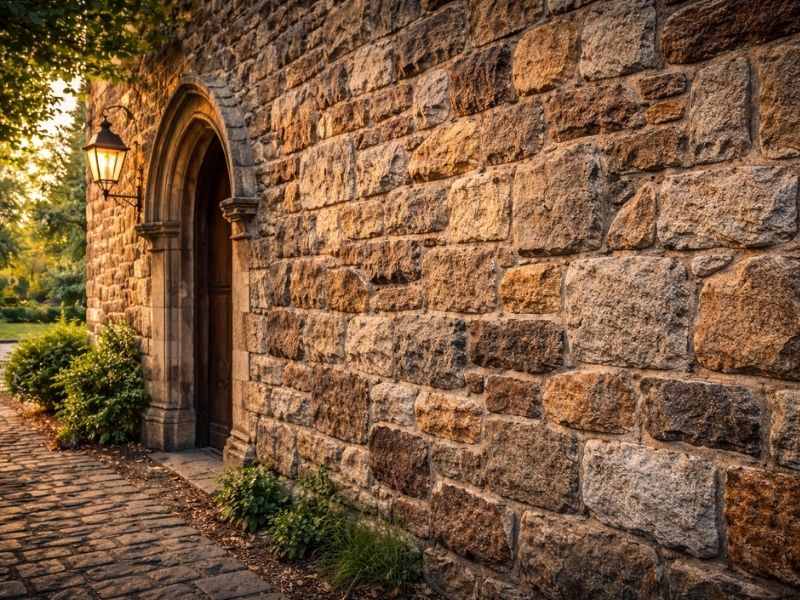
Natural stone masonry wall and entryway showing durable exterior stone construction

Stone masonry costs more than most other building materials. That’s no surprise. But the right stone masonry project can last longer than almost anything else you put money into. It can also need very little care over the years. The real question is which projects are worth the price and which ones are not.

Natural Stone vs. Manufactured Stone Veneer

This difference matters before you look at any specific project.

Natural stone masonry uses real stone from a quarry. A mason cuts or shapes it and sets it in mortar. It’s heavy, dense, and built to last. It also costs more to buy and install.

Manufactured stone veneer is made from concrete. It’s shaped to look like natural stone. It weighs less, costs less, and goes up faster. From far away it looks fine. Up close, after a few years, it starts to look like what it is.

For outdoor projects that take a beating from weather and daily use, natural stone holds up better. For inside the home where looks matter more than toughness, veneer can save you money without much sacrifice. Knowing which one fits your project changes everything about the cost decision.

Projects Where Stone Masonry Is Worth the Cost

Accent walls and exterior stone facades

A stone wall on the front of your home is one of the best uses of stone masonry money. It changes how the property looks right away. And unlike paint or siding, you don’t redo it every few years.

Natural stone keeps its color and texture for decades. It doesn’t peel, fade, or crack the way wood or composite materials do. Appraisers and buyers both respond well to stone on the outside of a home.

The upfront cost is real. But a stone facade that lasts 40 or 50 years with almost no maintenance often costs less per year than cheaper options that need constant work.

Stone steps and entry features

Steps take a lot of punishment. Heavy foot traffic, rain, sun, and temperature changes wear down soft materials fast. Concrete cracks. Wood rots. Composite materials go dull and brittle.

Natural stone steps installed on a solid base last for generations. Bluestone, granite and limestone are the most common choices for home steps. All three outlast the alternatives by a wide margin.

Stone entry features also boost curb appeal. A stone front step tells a buyer something good about the home before they even walk inside.

Stone garden walls and raised beds

A stone garden wall is one of the few outdoor features that actually looks better as it gets older. The stone weathers. It picks up a natural patina. It settles into the yard like it was always there.

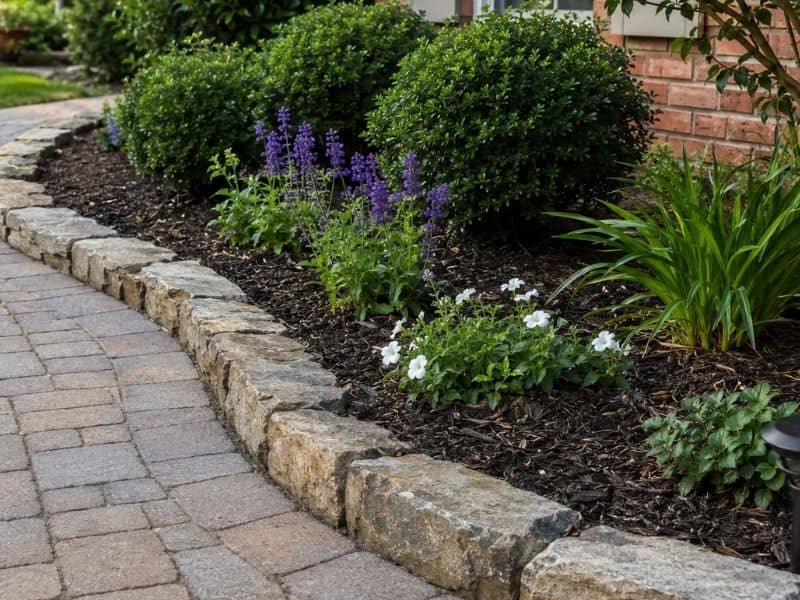
These walls do real work too. They define outdoor spaces and hold back soil on sloped ground. They don’t rot, warp, or need to be replaced the way wood or composite edging does.

A stone garden wall costs more to build than a timber or concrete block wall. But a stone wall built 30 years ago still looks good. Most wood walls from that era are gone.

Stone columns and pillars

Stone columns at a driveway entrance or front porch carry a lot of visual weight. They look permanent because they are permanent.

They don’t shift, crack, rust, or need paint. The only care they need is a check of the mortar joints every few years and repointing when the joints show wear. For homeowners who want something that stays attractive with little effort, stone columns deliver.

Projects That Need More Thought

Stone masonry doesn’t make sense for every project.

Interior stone accent walls can look great, but inside the house, manufactured veneer often gives you a similar look for much less money. There’s no weather exposure indoors, so the toughness advantage of natural stone mostly disappears.

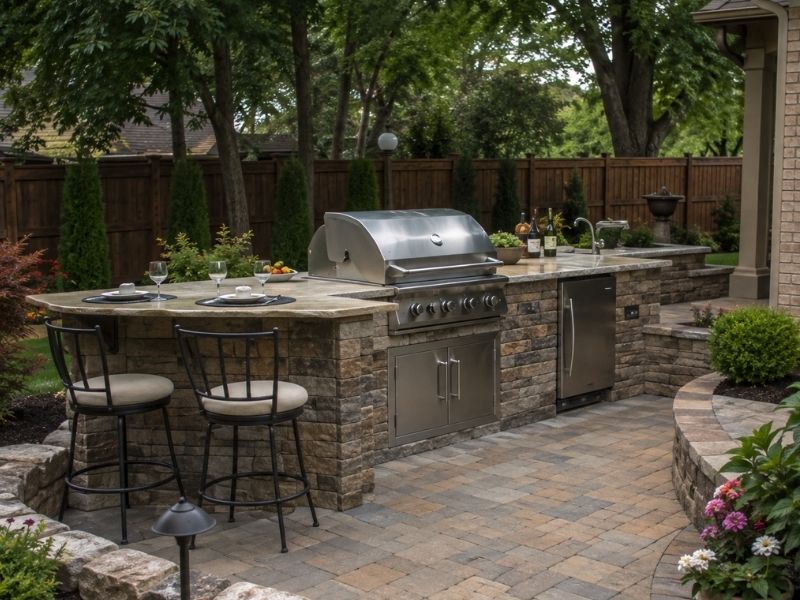
Stone patios are popular, but whether the cost pays off depends on the home and the neighborhood. A stone patio on a modest property in a modest area may not add much at resale. The same patio on a higher-value property can return close to what it cost.

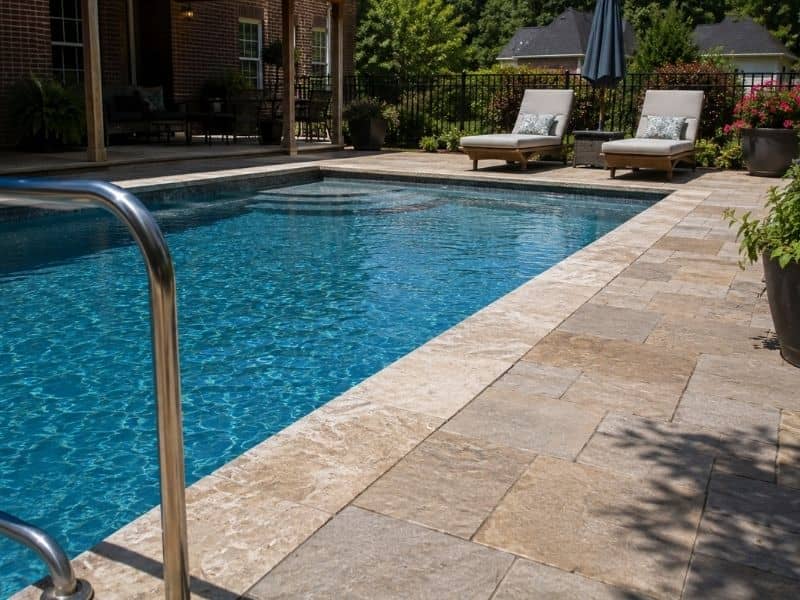
Pool surrounds and large outdoor living spaces in stone are beautiful. But they’re a big investment. They pay off clearly in some markets and property types but not in others. If you plan to sell within five years, talk to a local real estate professional before you commit.

How Weather Affects Stone Masonry

Heat, humidity and cold winters are the main factors that affect how stone holds up over time.

Most natural stone handles heat well. Granite, bluestone and quartzite are stable in hot weather and don’t soak up enough moisture to crack in mild freezes. In colder climates, denser stone with a low water absorption rate holds up best through winter.

Mortar is the bigger concern in wet or humid areas. Repeated moisture exposure wears mortar down faster than in dry climates. Using the right mortar type and checking the joints regularly adds years to any stone installation.

Moss can grow on stone in shaded spots. It doesn’t hurt the stone, but it can make the surface slippery. A simple cleaning with a masonry cleaner takes care of it without damaging anything.

Questions to Ask a Mason Before You Start

A few questions separate good masons from ones who cut corners.

Ask what mortar they use outside. The answer should be Type S mortar or something rated for outdoor use. If they hesitate, that’s a problem.

Ask how they handle the base for steps or walls. Most stone masonry failures start at the base, not the stone itself. A mason who talks clearly about footings and drainage knows what they’re doing.

Ask to see finished work that’s at least a year old. New work always looks good. Work after a full year of weather tells you the real story.

Frequently Asked Questions

Is stone masonry worth the cost for a home? 

For projects that get heavy use, face outdoor weather, or need to last a long time, yes. Stone masonry holds up better and costs less to maintain over many years than most alternatives. The upfront price is higher, but the long-term cost is often lower.

What is the difference between natural stone and manufactured stone veneer? 

Natural stone comes from a quarry and is set in mortar. Manufactured veneer is a concrete product shaped to look like stone. Natural stone is tougher and lasts longer outdoors. Veneer is a good lower-cost option for indoor decorative use where weather resistance doesn’t matter.

Which stone masonry projects return the most value? 

Exterior stone facades, stone steps, garden walls, and stone columns return the most. These projects are visible, built to last, and tied to the overall condition of the property.

How long does natural stone masonry last? 

A well-built stone masonry installation can last 50 to 100 years or more. The mortar joints usually show wear first, around 25 to 30 years in. Repointing the joints restores the installation without replacing the stone.

What mortar should be used for outdoor stone masonry? 

Type S mortar is the standard for outdoor stone work. It handles temperature changes, moisture and ground movement better than Type N. Using the wrong mortar is one of the most common reasons stone masonry fails early.