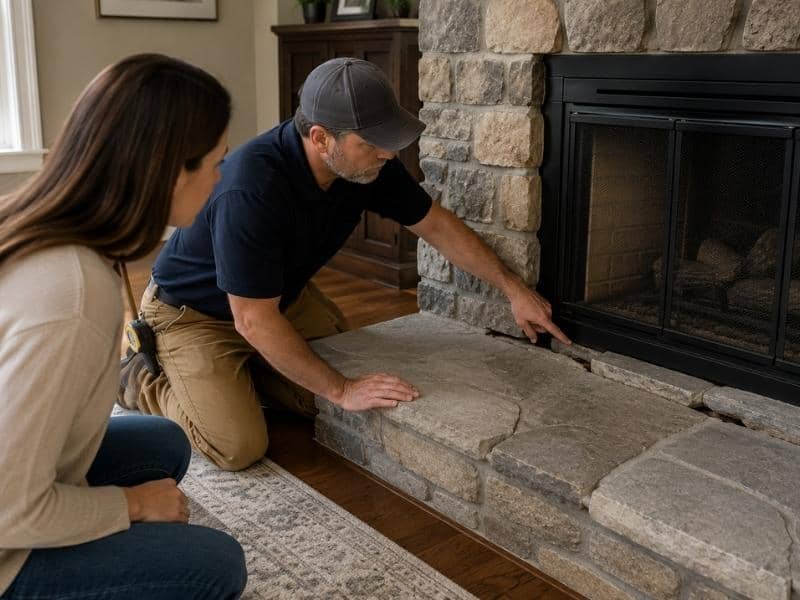
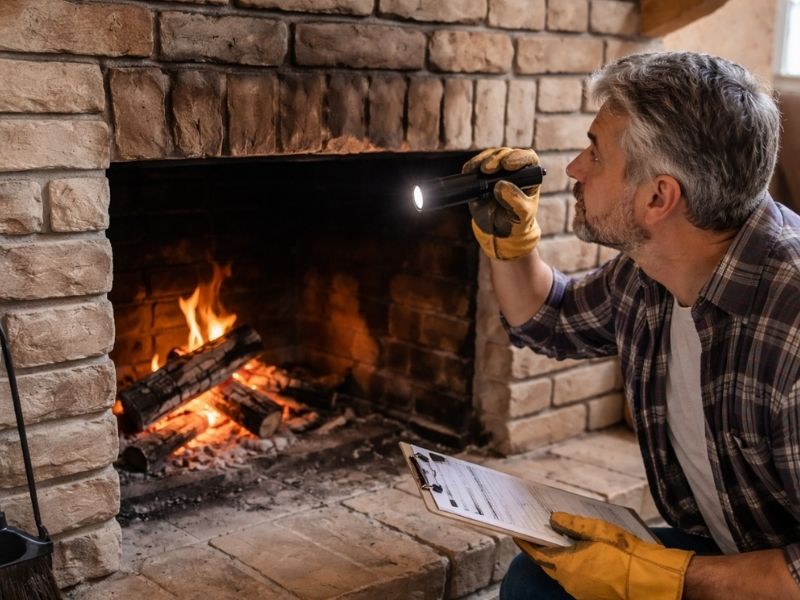
Fireplace Changes That Benefit From Professional Review
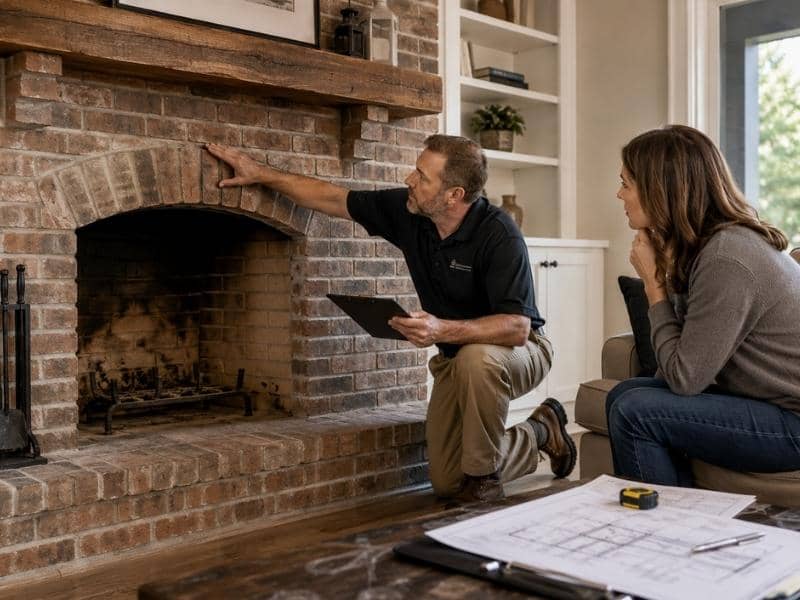
Fireplace changes can improve the appearance, function, or efficiency of a home, but some projects involve more than replacing finishes or decorative materials. Behind the visible brick or surround, a fireplace connects to structural elements, venting systems, and fire safety components that may be affected during renovation. A professional review before work begins helps identify potential issues, confirm that the planned fireplace changes are appropriate, and determine whether repairs or additional improvements should be completed before construction starts.
Changing the Fuel Type
Switching a fireplace from wood to gas, or gas to wood, is a bigger change than it looks. Each fuel type has its own venting and clearance needs. A chimney sized for wood smoke may not suit a gas unit, and the reverse can be unsafe too. A professional checks that the venting matches the new fuel before the change goes in.
Fuel changes also bring in gas lines and safety controls that need correct installation. A gas conversion done wrong can leak or vent poorly, both of which are serious dangers. There’s no room for guesswork with a fuel line running to an open flame. A review makes sure the change meets code and works safely before anyone lights it, which is exactly the kind of thing you want confirmed in advance.
Opening Up or Enlarging the Firebox
Making a fireplace bigger or changing the size of its opening affects how it drafts. The firebox and chimney are sized to work together. Change one without the other and the fireplace can spill smoke into the room instead of sending it up. A professional gets the proportions right, so the fireplace still pulls smoke the way it should.
Enlarging a firebox can also cut into the masonry that supports the structure above. What looks like removing a few bricks may weaken a wall or a chimney. Masonry often does quiet structural work that isn’t obvious from the room. A review confirms the change won’t hurt the building’s strength before the work begins, which saves you from a repair far bigger than the update you wanted.
Relocating or Removing a Fireplace
Moving a fireplace or taking one out reaches deep into the house. A masonry fireplace and chimney are heavy and often help support the structure around them. Pulling one out can affect floors, walls and the roof line. A professional review maps what the fireplace is holding up before it comes down, so nothing sags or shifts after it’s gone.
Removal also leaves openings in the roof and walls that must be closed correctly. Done poorly, these gaps invite leaks and drafts that show up as damage months later. A review plans how to remove the fireplace and repair what’s left so the house stays sound and weathertight. It also sorts out how to handle the weight, since taking down a chimney is heavier and messier work than most people expect.
Adding an Insert or Changing the Venting
Dropping an insert into an existing fireplace changes how it burns and vents. An insert needs the right liner and clearances to work safely. A professional confirms the chimney can handle the insert and installs the venting to match. This keeps combustion gases going out, not into the room where people breathe.
Any change to the venting deserves the same care. The chimney is the safety valve for a fireplace, carrying smoke and gases away from the living space. Altering it without a review risks poor draft or dangerous fumes, and fumes from a fireplace can include carbon monoxide. That’s a risk you don’t take chances with. A professional makes sure the venting still does its job after the change, so the fireplace stays safe to use.
Updating the Hearth or Surround
Even a cosmetic update to the hearth or surround can cross a safety line. The materials right around a firebox have to resist heat and keep flames away from anything that can burn. Swapping in the wrong surround material or shrinking the hearth can break clearance rules. A professional checks that the new look still meets fire safety limits before you fall in love with a design that isn’t safe.
This is where many well-meaning updates go wrong. A beautiful wood mantel set too close to the opening is a fire risk, not just a design choice. The hearth extension in front of the firebox exists to catch sparks and embers, so shrinking it removes real protection. A quick review keeps a style upgrade from becoming a hazard. It lets you get the look you want without giving up safety.
Knowing When to Bring In the Pro
Not every fireplace touch needs an expert, so it helps to know where the line falls. Painting a mantel, cleaning the brick or swapping decorative screens are low-risk jobs most owners can handle. The trouble starts when a change reaches the firebox, the venting, the structure or the clearances. Those four areas are where a small mistake turns dangerous.
A simple test works well. If the change affects how the fire burns, how the smoke leaves or what holds the structure up, get a professional to look first. The review is cheap next to the cost of a chimney fire, a failed wall or a carbon monoxide problem. Bringing in the right pro early is the move that lets you update a fireplace with confidence instead of crossed fingers.