Careful masonry restoration can bring those features back without stripping away what makes them special. The goal is to repair damage, match the original shapes and materials, and stop water from causing the same problems again. If you own an older home or commercial building, the takeaway is simple. Inspect these high details early, because small repairs now cost far less than rebuilding a failed cornice later.
Look up at an older brick building and you’ll often find the best craftsmanship near the top. Stepped brick courses, carved stone brackets, and detailed cornices give the building its character. They also take the worst of the weather, which is why they’re often the first details to crack, loosen, or crumble.
Understanding the Role of Decorative Corbels and Masonry Eaves
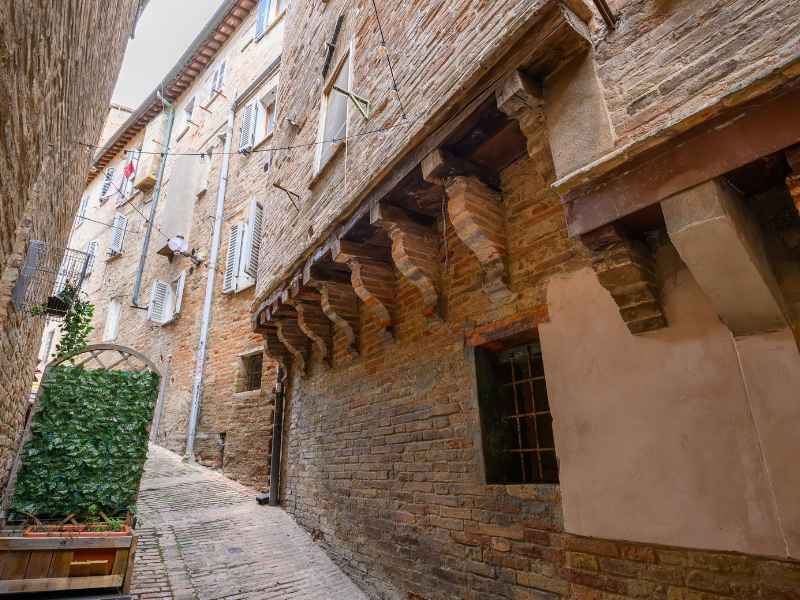
A corbel is a brick or stone piece that sticks out from a wall. Builders stack corbels so each course projects a little farther than the one below. This creates a ledge or bracket that can support a cornice, a chimney cap, or the roof edge.
Masonry eaves are the projecting brick or stone bands near the roofline. Many include patterns like dentils, which are small, evenly spaced blocks that look like a row of teeth. These details add shadow lines and depth that flat walls can’t match.
Some corbels are mostly decorative. Others carry real weight, such as part of a cornice or roof overhang. Knowing which type you have matters, since load-bearing pieces need more careful repair and sometimes an engineer’s review.
Identifying Deterioration in Brick and Stone Architectural Details
Projecting masonry gets hit by rain, wind, and sun from more directions than a flat wall. Water sits on top of ledges, soaks into joints, and freezes in cold weather. Over time, that cycle breaks down both brick and mortar.
Watch for these common warning signs:
- Mortar joints that are recessed, sandy, or missing
- Brick faces that are flaking or popping off, known as spalling
- Cracks running through corbels or along cornice joints
- Units that have shifted, tilted, or slid out of line
- White powdery stains from moisture, called efflorescence
- Plants or moss growing from ledges and joints
Rust stains or cracks near hidden steel are another red flag. Older eaves sometimes include iron anchors or lintels that expand as they rust and push masonry apart. Loose pieces overhead can also fall, so treat any movement above walkways or entries as urgent.
Choosing Masonry Restoration Methods for Ornamental Corbels
The right repair depends on how much damage exists and whether the piece carries load. Minor problems may only need new mortar. Badly damaged units may need patching or full replacement.
Repointing means removing weak mortar and packing in fresh mortar. Older brick is often softer than modern brick, so the new mortar should be equal to or softer than the original. Hard modern mortar can trap moisture and force the brick to crack instead of the joint.
Small chips and surface losses can be filled with a restoration mortar shaped to match the original profile. Stone details may get a dutchman repair, where the damaged section is cut out and a new piece of matching stone is set in its place. Units that are too far gone can be replaced with salvaged brick or custom-made pieces.
Corbels that have shifted badly may need to be taken down and reset. Masons often number each piece so it goes back in the same spot. Hidden anchors or ties may be added during rebuilding to hold projecting courses more securely.
Preserving Original Profiles and Materials During Eave Restoration
Ornamental eaves lose their character fast if repairs change their shape. Before work starts, a good mason documents the details with photos, measurements, and sometimes templates traced from sound sections. Those records guide every repair.
Matching the material matters as much as matching the shape. Brick color, size, texture, and mortar tone should blend with what’s already there. Salvaged brick from hidden areas of the building can sometimes provide a near-perfect match.
Some historic districts and landmark programs review exterior masonry changes. Rules vary by city, county, and property type, so check with local preservation staff before work begins. That step can prevent delays or required rework.
Maintaining Restored Masonry Features Against Moisture and Weathering
Repairs last longer when water is kept off the details. Most damage to corbels and eaves starts with water sitting on top of ledges or running down from the roof. Controlling that water protects the work you’ve just paid for.
Metal cap flashing over projecting cornices can shed water away from the joints below. Gutters and downspouts should be clean, sized correctly, and draining away from the wall. Overflowing gutters are one of the most common causes of eave damage.
Plan a visual check every year or two, plus after major storms. Look for new cracks, loose mortar, or stains, and address them while they’re small. Ongoing masonry restoration care costs far less than large repairs every decade.
Frequently Asked Questions
What causes brick corbels to crack?
Water is usually the main cause, especially when it freezes inside the brick or mortar. Rusting steel anchors can also expand and push units apart. Building movement and poor past repairs add to the problem. A mason can find the source so the repair actually lasts.
Can damaged corbels be repaired instead of replaced?
Many can, especially when damage is limited to the surface or mortar joints. Patching, repointing, and partial replacement often save most of the original material. Severely shifted or broken units may need to be rebuilt. An inspection will show which approach fits each piece.
Why does mortar type matter in older buildings?
Older brick is often softer than modern brick. Mortar that’s harder than the brick can trap moisture and cause the brick faces to crack or flake. Softer, compatible mortar lets the joints take the wear instead. That keeps the original brick in better shape over time.
