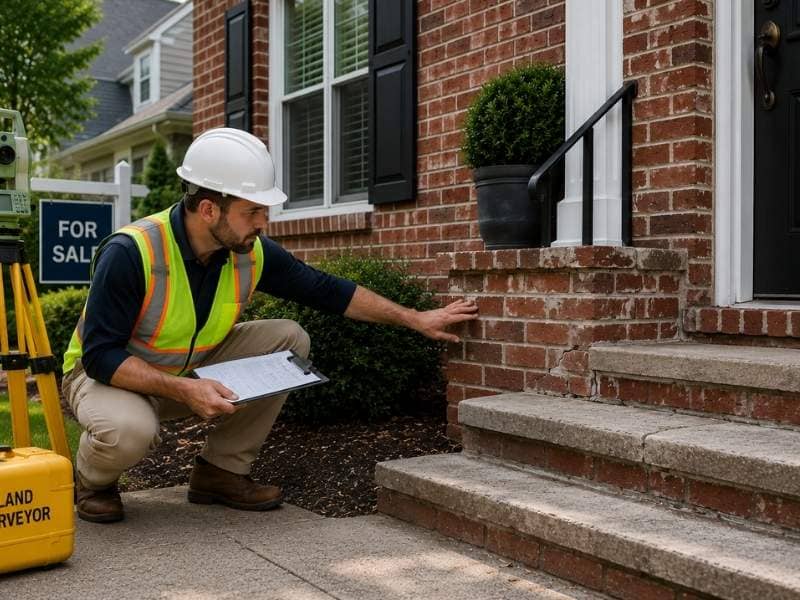
Buyers form opinions quickly. Before they step inside, they’ve already looked at the front of the home, the steps, the chimney, and the walls. Brick masonry is one of the first things they see, and damaged or worn masonry sends a message that’s hard to walk back. Fixing brick masonry problems before listing gives a home a better shot at making a strong first impression from the moment a buyer pulls up.
Why Small Brick Masonry Problems Catch a Buyer’s Eye Fast
Small problems in brick masonry stand out more than most sellers expect. A hairline crack in a mortar joint, a chipped corner on a step, or a patch of crumbling mortar near an entryway are all easy to spot from a few feet away. Buyers walk up slowly. They look at everything.
What makes these details matter is not just how they look. It’s what they suggest. A buyer who sees worn or damaged masonry right at the front of a home starts wondering what else hasn’t been kept up. That kind of doubt is hard to shake once it sets in. Fixing small issues before the first showing prevents that reaction before it starts.
Areas of Brick Masonry Buyers Notice Right Away
Some areas of a home’s exterior get more attention than others. Front steps are one of the first things a buyer touches, literally, on the way to the door. Chipped edges, loose bricks, or crumbling mortar on steps are impossible to miss and feel like a safety concern on top of a cosmetic one.
Entryways draw the eye because buyers spend time there waiting for the door to open. Any brick or mortar damage near the front door is right in their line of sight. Chimneys get noticed from the street, and visible cracks or missing mortar near the top signal a potential repair that buyers will want to price into any offer. Exterior walls along the front of the home also matter more than walls in the back or sides, because they’re part of what buyers photograph, share, and remember.
How Well-Kept Brick Masonry Can Improve Curb Appeal
Clean, repaired brick masonry changes how a home looks from the street. Freshly pointed mortar joints bring the brickwork back to a sharp, finished appearance. Replaced or repaired chipped bricks remove the worn patches that break up an otherwise clean exterior. Power washing the brick face to remove dirt and surface staining can make a significant difference without any structural work at all.
These repairs don’t need to be extensive to make a visible difference. A few hours of repointing along the front steps and entryway, combined with a thorough cleaning of the brick face, can make a home look noticeably more cared for. Buyers respond to that. A home that looks maintained on the outside gives them more confidence about the inside.
Why Ignoring Brick Masonry Damage Can Worry Buyers
Visible damage in brick masonry doesn’t just affect how a home looks. It affects how buyers think about the whole property. When a buyer sees cracked mortar or broken bricks at the front of a home, they start making assumptions about what else might be deferred or overlooked.
That concern can show up in lower offers, more aggressive inspection requests, or buyers walking away entirely. A buyer who spots a problem with the masonry before the inspection has already started building a mental list of concerns. Addressing brick masonry issues before listing removes that opening. It tells buyers, without saying a word, that the home has been looked after.
Signs Your Brick Masonry May Need Repairs Before Selling
A quick walk around the exterior before listing can catch most of the issues buyers will find during a showing. Loose or crumbling mortar in the joints is one of the most common problems and one of the easiest to miss if you stop looking at your own home closely.
Cracked bricks, especially ones with visible gaps or pieces that have broken off, are harder to overlook but worth checking for along steps, walls, and chimney sections. Uneven surfaces where bricks have shifted slightly out of alignment, or areas where mortar has pulled away from the brick face, also show up clearly to a careful eye. Checking all of these areas before listing, and repairing what needs attention, means buyers see the home at its best rather than finding problems you didn’t know were there.
Frequently Asked Questions
Why should brick masonry be repaired before selling a home?
Small problems in brick masonry are easy for buyers to spot during a showing. Fixing them before listing helps the home look well cared for and creates a better first impression from the moment buyers arrive.
What parts of brick masonry do buyers notice first?
Buyers tend to notice brick masonry around front steps, entryways, chimneys, and exterior walls facing the street. These areas are easy to see and get a lot of attention during showings.
Can damaged brick masonry hurt curb appeal?
Yes. Cracked mortar, chipped bricks, and worn surfaces make a home look less maintained. Repaired and clean brick masonry improves how the home looks from the street and gives buyers a better first impression.
Do small brick masonry problems matter to buyers?
Yes. Even small problems can make buyers wonder about the overall condition of the home. Visible damage at the front of a property raises questions that can affect how buyers feel about making an offer.
What are signs that brick masonry needs repairs before listing?
Look for cracked bricks, loose or crumbling mortar, chipped areas along steps and entryways, and surfaces where bricks have shifted out of alignment. Finding and fixing these before listing means buyers see the home in its best condition.
