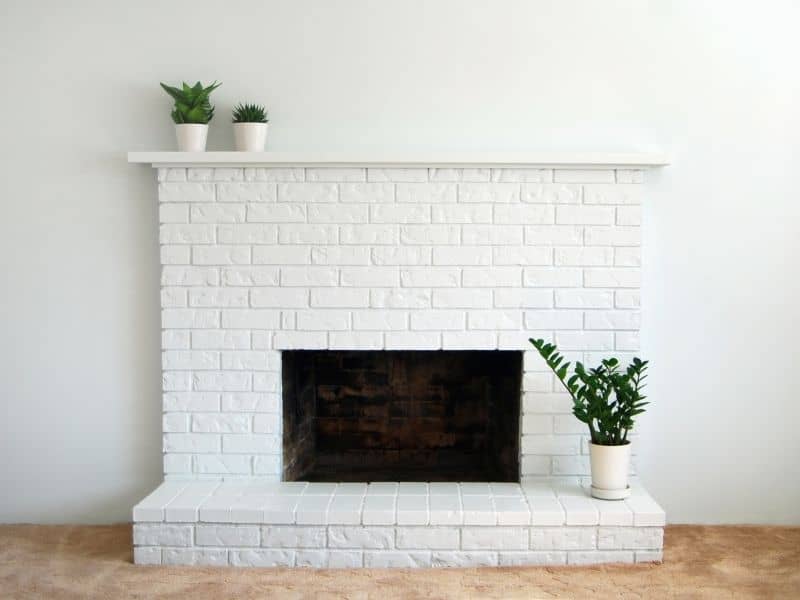
A gas insert prep can turn a cold, dusty firebox into a warm room in seconds. But the insert only works well if the space around it is sound. Many homeowners focus on the insert model and forget the brick fireplace it sits inside. That older masonry does a lot of quiet work, and it needs to be ready first.
Good prep saves money and stress. It catches cracks, tight clearances, and hidden damage before the insert covers them up. This guide walks through what to check, measure, and fix before anything gets bolted in place. Do this work early and the install goes faster with fewer surprises.
Inspecting the Existing Firebox Before Gas Insert Installation
The firebox is the inner chamber where the fire burns. It takes the most heat over the years, so it tends to wear first. A gas insert slides right into this space, so its condition matters a great deal.
Look for cracked firebrick, crumbling mortar joints, and heavy soot buildup. Small gaps between bricks can grow with heat and let gases move where they should not. A mason can check the joints and the smoke chamber above the firebox for the same problems. Loose or flaking brick gets handled before the insert ever arrives.
The damper and flue above the firebox also need a look. Good installation planning includes checking these areas early because a gas insert usually vents through a liner. The old flue has to be clear and sound, and debris, old nests, or a stuck damper can all slow the work.
Confirming Fireplace Dimensions and Insert Clearances
Every gas insert has a size range it needs to fit. The firebox opening has to match those numbers, including front width, back width, height, and depth. A tape measure is your first tool here.
Take measurements at several points. Old fireboxes are rarely square, so the back is often narrower than the front. Write down the smallest opening, since that is what limits the insert. Share these numbers before you buy anything.
Clearance is the safe gap between the insert and anything that can burn. The maker lists minimum clearances for the mantel, the trim, and the surround. These measurements are also important for hearth safety, especially where heat reaches nearby finishes and materials. If your mantel sits too close, you may need to adjust it or pick a smaller unit. Confirm these gaps early so nothing has to be redone.
Planning Gas, Electrical, and Venting Routes Through Masonry
A gas insert needs three things fed to it: gas, power, and a vent path. Each one has to travel through or around solid brick. Planning these routes early keeps the masonry intact.
The gas line often runs from a nearby supply point into the firebox base. A licensed plumber or gas fitter sizes and connects it, and local code sets how it must be run. Many inserts also need a standard outlet for the blower and controls. An electrician can place that outlet where the cord reaches without showing.
Most gas inserts vent through a flexible liner that runs up the existing chimney. The liner carries exhaust out, and some models draw fresh air back in. The old flue must be clear and the right size for the liner to pass. A mason and the installer should confirm the chimney can take the liner before install day.
Repairing Masonry Before the Insert Covers Existing Damage
Once the insert is set, the brick around it gets hard to reach. Any damage left behind stays hidden and can quietly get worse. That is why repairs come before the install, not after.
Common fixes include repainting loose mortar joints, replacing cracked firebrick, and sealing gaps in the smoke chamber. Water damage is worth a close check, since moisture weakens brick and mortar over time. If the chimney crown or flashing leaks, that water can reach the firebox and the walls around it. Handling these issues now protects both the insert and the fireplace.
A tight, sound firebox also helps the insert run the way it should. Gaps let air move in ways the maker did not plan for. Sealing them keeps the heat and venting working right.
Reviewing the Fireplace Before Final Insert Installation
A final review is the last check before the insert goes in for good. It confirms the prep work held up and nothing got missed. This step is easy to skip and easy to regret.
Walk through the firebox, the clearances, and the routes one more time. Make sure the gas line is capped and pressure tested, the outlet works, and the liner is seated. Confirm the mortar repairs have cured and the surface is clean and dry. A mason or the insert installer can sign off on each item.
Ask for the paperwork too. Permits, inspection notes, and the insert manual all matter down the road. Keep them together in case you sell the home or need service. Requirements can vary by insert brand, chimney type, county, and local code, so confirm what applies to your project before work begins.
Frequently Asked Questions
Can I put a gas insert in any brick fireplace?
Most masonry fireplaces can hold a gas insert, but not all of them fit every model. The firebox size, the flue, and the clearances all decide what works. A mason or installer should measure and inspect before you choose a unit. Requirements can vary by insert brand, chimney type, and local code, so confirm early.
Do I need to repair my brick fireplace before adding a gas insert?
In most cases, repairs should come first. Once the insert is in place, the brick behind and around it is hard to reach. Cracked firebrick, loose mortar, and water damage only get worse when they are hidden. Fixing them before the install protects both the fireplace and the new insert.
How is a gas insert vented through a brick chimney?
Most gas inserts vent through a flexible metal liner that runs up the existing flue. The liner carries exhaust out of the home and can draw in fresh air on some models. The old chimney must be clear and the right size for the liner to fit. An installer and a mason confirm this before the liner goes in.
Will a gas insert damage my existing masonry?
A properly installed insert should not harm sound masonry. Problems usually start with damage that was already there, like cracks or moisture in the brick. That is why inspection and repair matter so much before the install. Good prep keeps the fireplace and chimney in good shape for years.
Should I hire a mason or a gas insert installer?
Both trades often play a part in this work. The installer handles the insert, the liner, and the gas connection with the right licenses. A mason inspects and repairs the brick, mortar, firebox, and chimney. On many jobs they work side by side so the masonry and the insert both end up right.
