Brick Patio or Walkway Installation: What Affects the Cost
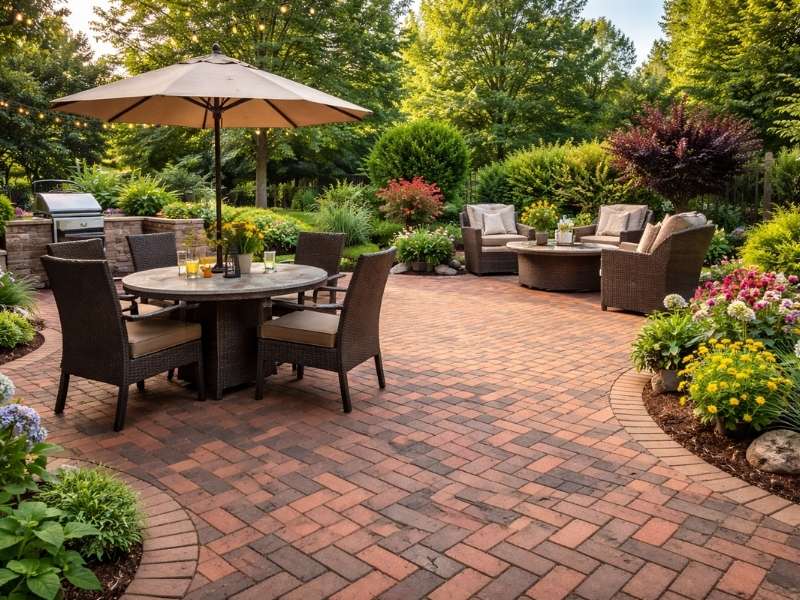
Getting a brick patio installed is a solid investment. But the final price can swing by thousands of dollars depending on decisions made before the first brick goes down. Knowing what drives that number helps you plan smarter and avoid budget surprises mid-project.

Why the Size and Shape of the Project Matter

Square footage is the starting point for any estimate. The more ground you cover, the more materials and labor you pay for. A small 10×10 patio runs in a completely different price range than a 20×30 outdoor entertaining area.

Shape matters just as much as size.

A standard rectangle is the cheapest layout to build. Straight lines mean clean cuts, predictable material waste, and faster installation. Add a curve or a rounded border and the cost goes up. Curved edges require more precise cutting, more wasted brick, and more time on the job.

Custom layouts of brick with multiple angles, inset patterns, or irregular borders can add 20 to 40 percent to the total cost compared to a basic square or rectangle of the same square footage.

What Developers Should Know

Plan the footprint before finalizing a budget. A design that looks simple on paper can become expensive in the field if it has too many directional changes or tight radius curves.

How Material Choices Change the Price

Not all bricks cost the same. Standard clay pavers are the most affordable option and work well for most residential projects. Tumbled brick, reclaimed brick, and specialty colors or textures cost more per unit and often require more care during installation.

Here is what affects material cost most:

  • Brick type: Clay pavers, concrete pavers, and natural stone vary significantly in price per square foot.
  • Color and finish: Standard red brick costs less than custom blends or aged finishes.
  • Pattern complexity: Running bond uses the fewest cuts. Herringbone and basketweave require far more precision cutting, which means more waste.
  • Edging materials: Soldier course borders, steel edging, or concrete borders add material and labor costs.
  • Quantity buffer: Most contractors order 10 to 15 percent extra to account for cuts and breakage.

In Auburn’s climate, choosing a brick rated for outdoor use matters. Materials that absorb water and cannot handle freeze-thaw cycles will crack or shift sooner than expected.

Why Site Preparation Can Increase Costs

The work that happens before the first brick is placed often determines whether the finished product lasts five years or twenty-five years. It also determines how much you spend getting to that point.

Basic site prep includes:

  • Removing existing grass, concrete, or gravel
  • Excavating to the correct depth (typically 6 to 8 inches for a patio base)
  • Grading and leveling the surface
  • Compacting a gravel base layer
  • Adding sand bedding before setting brick

Straightforward flat lots in good soil are the cheapest to prep. Problems start when the site has challenges.

Slopes require grading work. Poor drainage requires French drains or gravel channels. Soft or unstable soil may need additional compaction or base depth to prevent settling. Tree roots near the project area can add removal costs.

Labor and Installation Methods That Affect the Budget

Labor is typically 50 to 60 percent of the total project cost for brick patio and walkway work. The complexity of the installation drives that number up or down.

Simple running bond: Bricks laid in straight horizontal rows. Fastest to install. Fewest cuts. Lowest labor cost.

Herringbone: Bricks set at 45-degree angles in a V-pattern. Requires diagonal cuts at every edge. Takes considerably longer to lay correctly.

Basketweave: Alternating pairs of bricks in perpendicular groups. Looks clean and traditional. More time-consuming than running bond.

Custom medallions or inset patterns: Specialty designs within the field of the patio. These require experienced masons and significantly more time.

Labor rates in Auburn vary by contractor experience and workload. Expect to pay more for crews with established track records on complex installations. Cutting corners on labor selection often shows up in the finished product within a year or two.

Features That Add to the Final Cost

Most brick patio projects grow once the initial scope gets reviewed. Homeowners and developers start adding features that improve how the space functions and looks. Each addition is a legitimate value-add, but each one also increases the budget.

Common additions and their cost impact:

  • Retaining edges or seat walls: Structural brick walls along the perimeter add significant material and labor. They also require their own foundation preparation.
  • Steps: Each step involves excavation, a concrete footing, and careful brick setting. A single set of two steps can add $800 to $1,500 or more depending on width.
  • Lighting: Low-voltage in-ground or wall-mounted lighting requires electrical rough-in and adds both material and coordination time.
  • Connections to existing landscaping: Tying the new patio into existing garden beds, trees, or drainage systems takes additional planning and fieldwork.
  • Drainage features: Channel drains, pop-up emitters, or redirected downspouts protect the installation and prevent pooling, but they cost extra to install.

The best approach is to identify which features matter most before the project starts. Adding them during the design phase costs less than retrofitting them after installation is complete.

Frequently Asked Questions

What is the average cost to install a brick patio?

Most residential brick patio projects in Auburn run between $15 and $30 per square foot installed, depending on design complexity, site conditions, and materials chosen. A 200-square-foot patio typically costs $3,000 to $6,000 or more.

How long does brick patio installation take?

A standard 200- to 300-square-foot patio takes a professional crew two to four days from site preparation through final cleanup. Larger or more complex projects may take longer.

Does the brick pattern affect how long the patio lasts?

The pattern itself does not affect durability. The quality of the base preparation, drainage design, and materials used has a much greater impact on how long the patio performs over time.

Is brick more expensive than concrete for a patio?

Brick generally costs more upfront than poured concrete. However, individual bricks are easier to repair than cracked concrete slabs, which can make brick a cost-effective choice over the long term.

Can a brick walkway be added to an existing patio later?

Yes. A brick walkway can be added later, but matching the existing brick color and pattern is often easier when both are planned at the same time. Older bricks may no longer be available, and the new walkway must connect properly to the existing base.
Brick Masonry Repair Before Listing a Home: Small Issues Buyers Notice Fast 

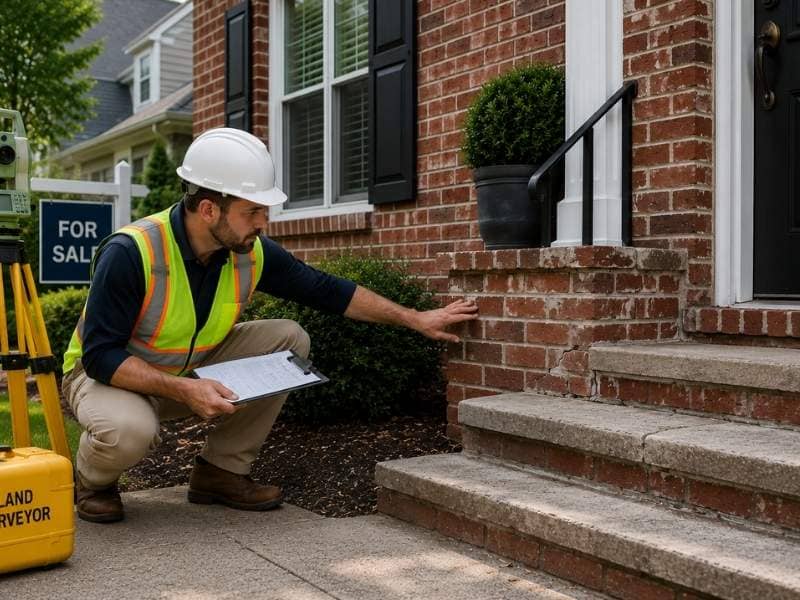
Brick Masonry issues near the front steps being inspected before listing a home for sale.

Buyers form opinions quickly. Before they step inside, they’ve already looked at the front of the home, the steps, the chimney, and the walls. Brick masonry is one of the first things they see, and damaged or worn masonry sends a message that’s hard to walk back. Fixing brick masonry problems before listing gives a home a better shot at making a strong first impression from the moment a buyer pulls up.

Why Small Brick Masonry Problems Catch a Buyer’s Eye Fast

Small problems in brick masonry stand out more than most sellers expect. A hairline crack in a mortar joint, a chipped corner on a step, or a patch of crumbling mortar near an entryway are all easy to spot from a few feet away. Buyers walk up slowly. They look at everything.

What makes these details matter is not just how they look. It’s what they suggest. A buyer who sees worn or damaged masonry right at the front of a home starts wondering what else hasn’t been kept up. That kind of doubt is hard to shake once it sets in. Fixing small issues before the first showing prevents that reaction before it starts.

Areas of Brick Masonry Buyers Notice Right Away

Some areas of a home’s exterior get more attention than others. Front steps are one of the first things a buyer touches, literally, on the way to the door. Chipped edges, loose bricks, or crumbling mortar on steps are impossible to miss and feel like a safety concern on top of a cosmetic one.

Entryways draw the eye because buyers spend time there waiting for the door to open. Any brick or mortar damage near the front door is right in their line of sight. Chimneys get noticed from the street, and visible cracks or missing mortar near the top signal a potential repair that buyers will want to price into any offer. Exterior walls along the front of the home also matter more than walls in the back or sides, because they’re part of what buyers photograph, share, and remember.

How Well-Kept Brick Masonry Can Improve Curb Appeal

Clean, repaired brick masonry changes how a home looks from the street. Freshly pointed mortar joints bring the brickwork back to a sharp, finished appearance. Replaced or repaired chipped bricks remove the worn patches that break up an otherwise clean exterior. Power washing the brick face to remove dirt and surface staining can make a significant difference without any structural work at all.

These repairs don’t need to be extensive to make a visible difference. A few hours of repointing along the front steps and entryway, combined with a thorough cleaning of the brick face, can make a home look noticeably more cared for. Buyers respond to that. A home that looks maintained on the outside gives them more confidence about the inside.

Why Ignoring Brick Masonry Damage Can Worry Buyers

Visible damage in brick masonry doesn’t just affect how a home looks. It affects how buyers think about the whole property. When a buyer sees cracked mortar or broken bricks at the front of a home, they start making assumptions about what else might be deferred or overlooked.

That concern can show up in lower offers, more aggressive inspection requests, or buyers walking away entirely. A buyer who spots a problem with the masonry before the inspection has already started building a mental list of concerns. Addressing brick masonry issues before listing removes that opening. It tells buyers, without saying a word, that the home has been looked after.

Signs Your Brick Masonry May Need Repairs Before Selling

A quick walk around the exterior before listing can catch most of the issues buyers will find during a showing. Loose or crumbling mortar in the joints is one of the most common problems and one of the easiest to miss if you stop looking at your own home closely.

Cracked bricks, especially ones with visible gaps or pieces that have broken off, are harder to overlook but worth checking for along steps, walls, and chimney sections. Uneven surfaces where bricks have shifted slightly out of alignment, or areas where mortar has pulled away from the brick face, also show up clearly to a careful eye. Checking all of these areas before listing, and repairing what needs attention, means buyers see the home at its best rather than finding problems you didn’t know were there.

Frequently Asked Questions

Why should brick masonry be repaired before selling a home?

Small problems in brick masonry are easy for buyers to spot during a showing. Fixing them before listing helps the home look well cared for and creates a better first impression from the moment buyers arrive.

What parts of brick masonry do buyers notice first?

Buyers tend to notice brick masonry around front steps, entryways, chimneys, and exterior walls facing the street. These areas are easy to see and get a lot of attention during showings.

Can damaged brick masonry hurt curb appeal?

Yes. Cracked mortar, chipped bricks, and worn surfaces make a home look less maintained. Repaired and clean brick masonry improves how the home looks from the street and gives buyers a better first impression.

Do small brick masonry problems matter to buyers?

Yes. Even small problems can make buyers wonder about the overall condition of the home. Visible damage at the front of a property raises questions that can affect how buyers feel about making an offer.

What are signs that brick masonry needs repairs before listing?

Look for cracked bricks, loose or crumbling mortar, chipped areas along steps and entryways, and surfaces where bricks have shifted out of alignment. Finding and fixing these before listing means buyers see the home in its best condition.

Why Brick Masonry Cracks Show Up After a Hot, Wet Summer

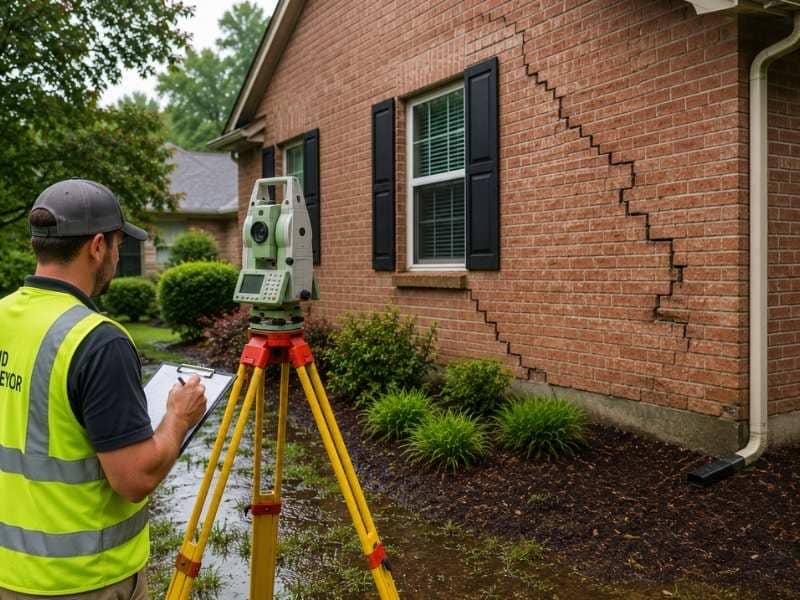
Brick Masonry cracks on an exterior wall being inspected after heavy summer rain and changing soil conditions.

Summer heat and heavy rain don’t just make yards muddy. They can stress the structure of a home in ways that aren’t obvious until the season ends. One of the most common signs is brick masonry cracks. They seem to appear out of nowhere, but the conditions that cause them build up slowly over weeks of wet heat. Understanding why brick masonry cracks form after a hot, wet summer makes it easier to catch problems early and know when to act.

How Clay Soil Affects Brick Masonry After Heavy Summer Rain

Many homes sit on clay-heavy soil. Clay behaves differently from other soil types because it changes size depending on how much water it holds. When rain soaks into clay soil, it swells. When dry heat follows, it shrinks back down. This back-and-forth happens repeatedly through a wet summer.

That movement puts stress on everything above it, including the foundation and the brick masonry attached to it. When the ground shifts even slightly, the structure above shifts too. Brick is strong but not flexible. Under repeated stress from soil movement, small cracks form in the mortar joints or across the face of the brick itself.

Why Hot Weather and Extra Moisture Can Stress Brick Masonry

A hot, wet summer creates conditions that work against brick masonry in two ways at once. Heat causes building materials to expand. Moisture works into small gaps and softens mortar over time. When both happen together and then reverse, the cycle puts constant pressure on the wall.

After a stretch of heavy rain followed by dry heat, mortar joints that were already slightly weak can crack open further. Bricks that absorbed moisture and then dried out quickly are more likely to show surface damage. Cracks that were too small to notice in spring can become visible by late summer because the wet-dry cycle has widened them. This is why many homeowners notice new cracks right after the hottest and wettest part of the year.

Signs That Brick Masonry Cracks Are Getting Worse

Not every crack in brick masonry needs immediate attention. But some signs point to a problem that’s growing and shouldn’t wait.

Watch for cracks that are wider than they were before, especially ones that now have a visible gap rather than a hairline split. Gaps in mortar joints, where the mortar has crumbled or pulled away from the brick, are another sign that water and movement have done real damage. If doors or windows near an exterior brick wall start sticking or won’t close smoothly, that can mean the wall or frame has shifted. Cracks that run diagonally from the corners of windows or doors are worth taking seriously. They often point to foundation movement rather than surface damage alone.

How Poor Drainage Around a Home Can Affect Brick Masonry

Water that sits near a home’s foundation keeps the soil wet long after rain stops. Gutters that overflow because of clogs dump large amounts of water right along the base of the home. Downspouts that are too short deposit water only a foot or two away from the foundation instead of directing it away from the structure. Low spots in the yard that collect standing water keep the soil saturated in those areas.

All of that extra moisture makes the soil movement worse. Clay soil that stays wet longer swells more and for longer periods. When it dries, it pulls back more sharply. The more extreme that cycle is, the more stress it puts on the brick masonry above. Keeping water away from the base of the home is one of the most direct ways to reduce that stress.

When to Have Brick Masonry Cracks Checked by a Masonry Expert

Small cracks that stay the same size and appear in only one spot may not require immediate repair. But some situations call for a professional look sooner rather than later.

If cracks keep coming back after being patched, the underlying cause hasn’t been fixed. If a crack has grown noticeably wider over a single season, the movement driving it is still active. If multiple cracks appear at the same time, especially after a wet summer, that pattern often points to soil movement or drainage problems rather than normal settling. A masonry expert can identify whether cracks are cosmetic or structural, find the source of the movement, and recommend repairs that address the cause rather than just the surface.

Frequently Asked Questions

Why do brick masonry cracks show up after a hot, wet summer?

Heavy rain and high heat cause soil and building materials to expand and contract. That repeated movement puts stress on brick masonry and can make existing cracks more visible or cause new ones to form.

Does clay soil cause brick masonry cracks?

Yes. Clay soil swells when wet and shrinks when dry. That movement shifts the ground beneath a home’s foundation, which puts pressure on brick masonry and can lead to cracking over time.

Can water around the house damage brick masonry? 

Too much water near the foundation keeps clay soil swollen longer and causes more dramatic shrinkage when it dries out. Over time, that cycle increases stress on brick masonry and raises the risk of cracking.

How can I tell if a brick masonry crack is getting worse?

Look for cracks that are wider than before, gaps where mortar has crumbled away, or doors and windows near the wall that stick or don’t close properly. These signs suggest the movement causing the crack is still active.

Should I have brick masonry cracks inspected? 

Yes, especially if cracks keep returning, have grown wider over a single season, or appear alongside other signs of movement. A masonry professional can find the cause and recommend repairs that fix the problem at its source.

How Brick Masonry Adds Value to Your Home

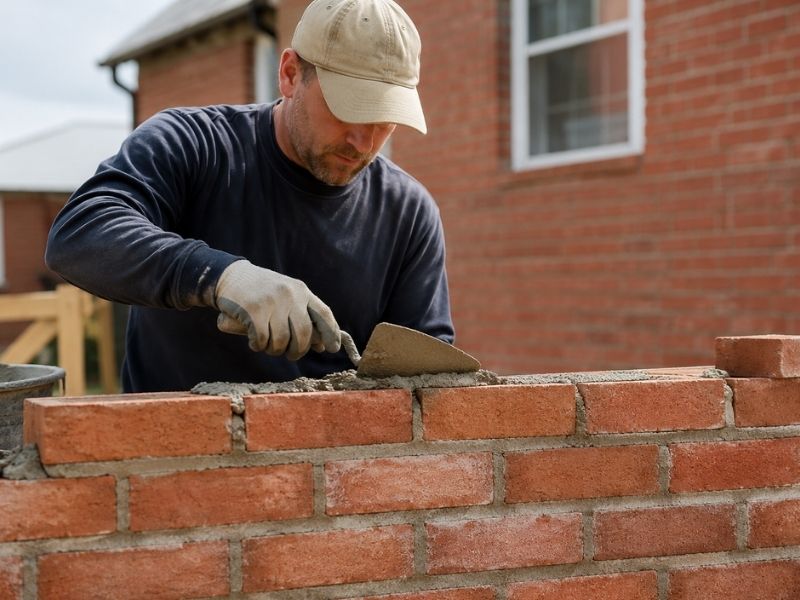
Professional mason building a brick wall to improve durability and home value

Most home improvements depreciate. A new roof, fresh paint, updated appliances. They wear out, go out of style, or get replaced by the next owner. Brick masonry works differently. It holds its value over decades, requires almost no maintenance compared to wood or vinyl, and signals a level of quality that buyers and appraisers notice immediately. If you’re weighing where to put money into your home, brick masonry is one of the few investments that keeps paying back.

Brick Masonry vs. Brick Veneer: Why the Difference Matters

A lot of homeowners assume all brick exteriors are the same. They’re not.

Full brick masonry means the brick is structural. It carries load, forms the actual wall, and ties into the foundation. Brick veneer is a single layer of brick attached to a wood or steel frame behind it. It looks similar from the outside but behaves completely differently over time.

Full brick masonry homes have compressive strength measured in thousands of pounds per square inch. They resist wind, moisture and fire better than frame construction with veneer. They also last longer without requiring the same level of upkeep.

When an appraiser or buyer sees a true brick masonry home, the valuation reflects that. Veneer is valued differently, and experienced buyers know the difference.

What Appraisers Actually Look For

Appraisers don’t give blanket value increases for brick. What they look for is condition, craftsmanship and longevity.

Clean mortar joints in good repair signal that the masonry has been maintained. Tight, consistent coursing with no cracking tells an appraiser the work was done correctly. Brick that shows no staining, spalling or efflorescence reads as low maintenance and high quality.

Poorly done brick masonry, or brick that has been patched with mismatched mortar, actually works against value. The material isn’t what matters most. The quality of the installation and the condition of the existing work does.

That’s why choosing a qualified mason matters as much as choosing brick in the first place.

Which Brick Masonry Projects Return the Most Value

Some brick masonry projects add more value than others. The ones with the strongest return share a common trait: they’re visible, durable, and tied to the structure of the home.

Exterior brick walls and facades consistently top the list. A full brick exterior can add 6 to 10 percent to a home’s appraised value, according to estimates from real estate and appraisal industry data. In markets where brick homes are common, the absence of brick can actually lower a home’s perceived value relative to comparable properties.

Brick columns and entry features add strong curb appeal. They frame the entrance, signal quality before a buyer ever steps inside, and require almost no maintenance over the life of the home.

Brick garden walls and raised planting beds read as permanent improvements rather than decorative additions. They add structure to the yard, define outdoor spaces, and hold up through decades of weather without rotting, warping or fading.

Brick walkways and steps tend to age better than poured concrete. They can be individually replaced if a unit gets damaged, and the natural variation in brick color holds up visually even as the surface weathers.

How Brick Masonry Affects Insurance and Maintenance Costs

This is the part most homeowners don’t think about until they get their insurance quote.

Brick masonry is non-combustible. Insurance carriers rate masonry construction lower for fire risk than wood frame construction. Depending on your insurer and location, a brick masonry home can carry meaningfully lower premiums than a comparable frame home. That difference compounds over years.

Maintenance costs are lower too. Brick doesn’t need painting. It doesn’t rot, warp, or get damaged by insects. The main maintenance task for a brick masonry exterior is periodic inspection of mortar joints and repointing when needed, typically every 25 to 30 years for a well-built wall. Compare that to wood siding, which needs repainting every five to seven years, or fiber cement, which requires caulking and sealing on a regular cycle.

Over a 30-year period, the total maintenance cost of a brick masonry exterior is substantially lower than most alternative materials. That savings is real money, and buyers who understand construction factor it into what they’re willing to pay.

What to Ask a Mason Before Starting Any Brick Masonry Project

Not every mason produces work that holds its value. A few questions upfront separate qualified contractors from ones who cut corners.

Ask about mortar type. Exterior brick masonry requires Type S mortar for most residential applications. A mason who uses standard interior mortar outdoors is setting up a repair job within a few years.

Ask about coursing and foundation prep. The base matters more than the brick. A mason who rushes the footing or skips proper leveling on the first course produces work that shows problems as the structure settles.

Ask to see completed projects, not just photos. Seeing work in person after two or three years of weathering tells you more than a fresh installation photo ever will. Look at the mortar joints, the alignment of courses, and whether any cracking or efflorescence is visible.

Ask about the warranty on labor. Materials carry manufacturer warranties. The installation is what you’re paying the mason for, and a contractor who stands behind their work should be willing to say so in writing.

Frequently Asked Questions

Does brick masonry increase home value? 

Yes. A full brick masonry exterior can add 6 to 10 percent to a home’s appraised value. The actual figure depends on your market, the condition of the brick, and the quality of the installation. Well-maintained brick masonry in good repair consistently outperforms other exterior materials on long-term value retention.

How long does brick masonry last?

A properly built brick masonry structure can last 100 years or more. The Brick Industry Association has documented clay brick walls and structures still in service after a century of use. The mortar joints are the first component to show wear, typically needing repointing every 25 to 30 years.

Does brick masonry require a lot of maintenance? 

No. Brick masonry requires significantly less maintenance than wood, vinyl or fiber cement. It doesn’t need painting, doesn’t rot, and doesn’t warp. The main maintenance task is inspecting and repointing mortar joints when they show wear, which for a well-built wall happens on a very long cycle.

What is the difference between brick masonry and brick veneer? 

Brick masonry refers to structural brick that forms the actual wall and carries load. Brick veneer is a single decorative layer of brick attached to a separate structural frame. Both use brick, but they perform differently over time. Full brick masonry is more durable, better insulated, and valued differently by appraisers.

Which brick masonry projects add the most value? 

Exterior brick facades, entry columns, brick walkways and garden walls consistently return the most value. Projects that are visible, structural and tied to the long-term condition of the property hold their value best. Decorative-only brick additions in less visible areas return less.