
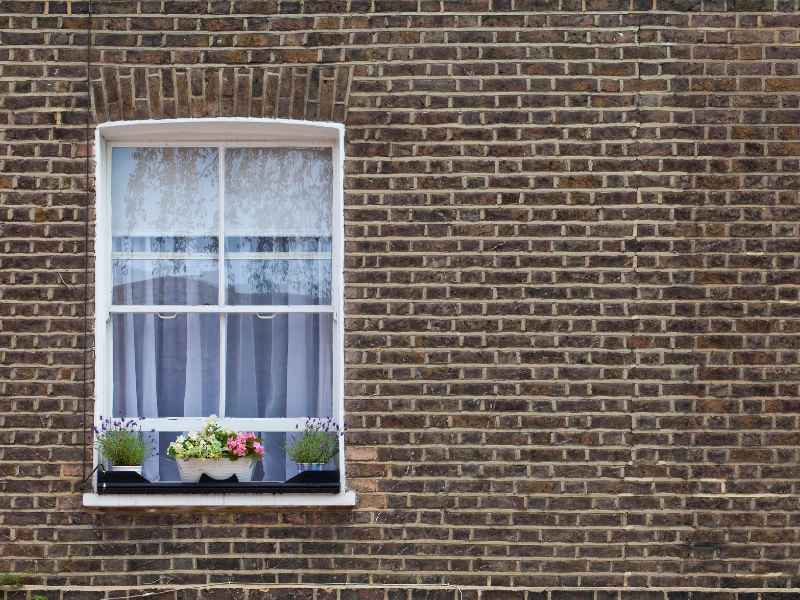
A masonry contractor should look at your window sills sooner than most homeowners think. Sills take more water than almost any other part of a brick wall. Rain hits the window, runs down the glass, and lands right on the sill and the mortar joints below it.
When those joints crack or wash out, water has a direct path into the wall. It can soak the brick, rot the framing, and show up as a stain on the inside wall long after the damage started. Catching mortar problems at the sill early is one of the cheapest ways to protect brick masonry and the house behind it.
Recognizing Cracked or Missing Mortar Beneath Window Sills
Start with the joints directly under the sill. Look for hairline cracks, joints that have pulled away from the brick, and spots where mortar has crumbled out. Run a key or screwdriver along a joint, and if mortar comes out as sand, it’s past its useful life.
Crack patterns tell you different things. Thin cracks along a single joint are often surface wear. Stair-step cracks running down from the corners of the sill can point to settlement or movement in the wall and deserve a closer look.
Check the sill itself too. Brick sills laid on edge, stone sills, and precast sills all have joints that can open over time. A sill that’s cracked through, loose, or tilting back toward the window is a bigger problem than a worn joint.
Checking for Moisture Stains Around Window Openings
Water usually leaves a trail before it causes serious damage. On the outside, look for white chalky deposits on the brick below the sill. That residue, called efflorescence, forms when water moves through the wall and leaves salts behind.
Dark, damp-looking brick that stays wet long after rain is another warning sign. So is moss or green growth in the joints under a sill. Those spots are taking on more water than the rest of the wall.
Look inside as well. Stained drywall below a window, peeling paint on the trim, soft spots in the wood, or a musty smell can all point to a leak at the sill. Interior signs usually mean water has been getting in for a while.
Masonry Contractor Checks for Gaps Around Window Sills
Gaps between the sill and the surrounding brick are easy to miss from the ground. Stand close and check where the sill ends meet the brick on each side. Open joints at those corners let water run straight into the wall.
The joint between the sill and the window frame matters too. That spot is usually sealed with caulk or sealant rather than mortar, because the window and the masonry move differently. Dried, cracked, or missing sealant there is a common leak source that’s often blamed on the brick.
Sill slope is part of the check. A sill should shed water away from the house, and many have a drip edge underneath to keep water off the wall below. If the sill has settled flat or tipped back, water will sit on it and work into the joints.
Masonry Contractor Guidance on Repointing or Further Repairs
Repointing is the fix for worn mortar when the brick and sill are still sound. The mason removes old mortar to a consistent depth and packs in fresh mortar in layers. The new mortar needs to match the strength and color of the existing work, since mortar that’s harder than old brick can cause the brick to crack or spall.
Some problems need more than new joints. A cracked or tilted sill may need to be reset or replaced. Brick that’s loose or spalling below the sill may need to be rebuilt, and some older homes have no flashing under the sill at all.
Flashing under a sill sends water that gets into the wall back out to the face. Adding it usually means removing and resetting the sill, so it’s a bigger job than repointing alone. The right repair depends on the wall, the sill material, the extent of the water damage, and what the inspection finds.
Scheduling a Masonry Contractor Inspection Before Water Damage Spreads
The best time to schedule an inspection is before you see stains inside. A yearly look at sills, joints, and sealant catches most problems while they’re still small. Checking after heavy storms is also a good habit.
Certain projects should trigger an inspection too. Planning window replacements, repainting trim, or selling the home are all good reasons to have the sills checked first. Fixing the masonry before new windows go in keeps you from covering up a problem.
Don’t wait for one more rainy season. Water damage spreads quietly inside walls, and the repair grows with it. Getting a mason out early usually means a smaller bill and less tear-out.
Frequently Asked Questions
How often should window sill mortar be inspected?
Once a year is a good routine for most brick homes. Check after major storms as well. Older homes and walls that face heavy rain may need closer attention. A quick visual check can catch problems early.
Can I fix cracked mortar under a window sill myself?
Small cosmetic patches are possible, but they often don’t last. Repointing needs the right mortar mix and proper joint depth. Poor patching can trap water or damage the brick. A professional repair is usually the safer choice for leaks.
Is caulk a good fix for mortar cracks?
Not for mortar joints in the brick. Caulk belongs at the joint between the sill and the window frame. Using it to fill mortar joints can trap moisture and look patchy. Cracked mortar should be repointed.
