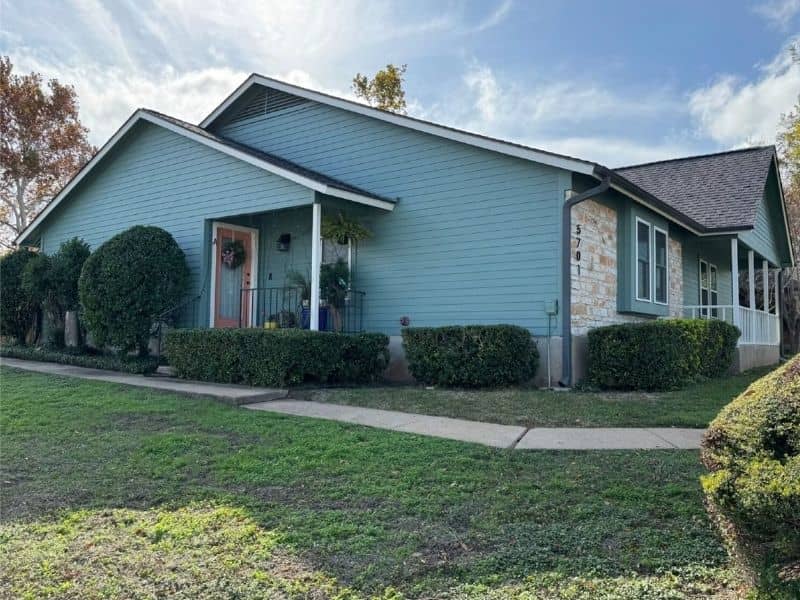
A little stone in the right spot can change how a whole house reads. Stone exterior trim has become one of the easier ways homeowners freshen an older exterior without redoing the entire front of the house. You choose one section, add stone texture there, and let the siding or brick around it stay the same. That one move can give a plain exterior a more finished look.
An accent wall works this way. It brings stone into the picture on a single part of the house instead of wrapping every wall in it. The contrast carries the effect. A small run of stone stands out far more when the surfaces around it stay quiet. In a home that already exists, that fits how the work usually goes. You aren’t starting from a blank plan. You’re adding to what the house already has.
Four things decide whether the stone looks right: where you place it, how big the area is, which stone you pick, and how it meets the rest of the exterior. Line those up and the accent looks planned. Miss them and it can look stuck on after the fact. Each section below takes one of them.
Start With the Part of the Exterior That Needs More Visual Weight
Pick the wall that feels flat, not the wall that happens to be the largest. An accent wall gives one part of the exterior more presence, so it belongs where the house looks thin or unfinished. Maybe that’s the section beside the front door. Maybe it’s a gable that reads as empty. The goal is to add weight where the eye wants something to land.
Look at the home’s proportions before you choose. A stone section should sit in balance with the walls, windows and roofline around it. Siding, brick and stucco each change how the stone will look next to them. A bright wall of siding makes the stone read darker. A busy brick pattern can crowd it. Study the whole face of the house first, then decide.
Covering too much undoes the point. When stone spreads across most of the exterior, the contrast that made it feel special goes flat. For homeowners updating a house that’s already built, restraint tends to win. One well-placed section says more than stone on every wall.
Let Existing Exterior Materials Set the Tone for the Stone
Let what’s already on the house guide the stone you choose. A stone accent wall should feel related to the exterior around it, not dropped in from a different house. Match the mood first. Warm brick pairs with warm stone tones. Cool gray siding sits better with cooler stone. Color, texture, scale and pattern all play into whether the two read as one exterior or two.
Walk the full exterior before you settle on a stone. Front, sides and any spot where materials change all shape the choice. A heavily textured stone throws deep shadow and reads rugged. A smoother, more even stone feels calmer and more modern. Neither is wrong. They just send different signals, so pick the one that suits the house.
Think about the seams too. The line where the new stone meets the old siding or brick is part of the design, not an afterthought. When you’re gathering exterior accent wall ideas, keep the transition in mind from the start. A clean meeting point is what makes an accent wall look like it belongs.
Use Scale and Joint Patterns to Keep the Feature From Feeling Heavy
Stone size and joint pattern control how heavy the wall feels. Large stones with wide joints read bold and solid. Smaller stones with tight, busy joints pack in more lines and can feel restless. On a modest accent area, a calmer arrangement usually looks more intentional.
A very busy pattern fights with the rest of the house. If the exterior already has trim lines, window grids and brick coursing, dense stonework adds one more layer of noise. The eye has nowhere to rest. A more controlled layout lets the stone hold its spot without shouting over everything else.
Controlled texture beats piled-on texture. The point is to add just enough, in a pattern that stays calm. A few signs the pattern may be doing too much:
- Stones so small the wall looks speckled from the curb
- Joint lines so busy they blur into one gray mass
- A pattern that pulls attention away from the front door or windows
- Texture so deep it clashes with a simple, clean exterior
Scale the pattern down and a small accent can feel confident instead of crowded.
Plan the Edges Where Stone Meets the Rest of the Exterior
The edges are where a stone accent looks finished or unfinished. The start and stop points deserve real thought, not whatever happens when the stone runs out. Plan where the stone begins and ends before anyone sets the first piece.
Clean transitions matter most at corners, around openings and anywhere the exterior material changes. Stone that dies into a wall with no clear edge looks like a job someone left half done. A section framed by a corner, a trim line or a change in material looks deliberate. The house tells you which shape fits. A tall narrow home may want a vertical stone band. A wide low home may suit a contained horizontal panel.
On existing homes, the new stone has to meet materials that are already there. That’s the hard part of renovation work. The old siding, brick or stucco won’t move, so the stone has to join them cleanly. Good installation matters as much as the idea. A smart design still fails if the edges are sloppy where the two surfaces meet.
Decide Whether the Accent Should Blend In or Stand Apart
Decide early whether you want the stone to whisper or to speak up. A subtle accent uses stone close in tone to the rest of the house, so it adds texture without much contrast. A high-contrast accent uses stone that clearly differs in color or texture, so it becomes the thing you notice first. Both can look great. They just do different jobs.
Light changes everything. Morning sun hits textured stone at an angle and deepens every shadow. Flat afternoon light softens the same wall. The siding, plants and paint around the stone shift its look too. A stone that seemed bold on a sample board can read quiet once it’s up on the house.
Step back and check it from the street, from the driveway and from up close. Stone that looks rich at arm’s length can turn muddy from the curb. This is where planning with a mason or designer pays off. A pro can look at the stone, the spot you have in mind and the size of the area, then tell you whether the three work together before the work begins.
