
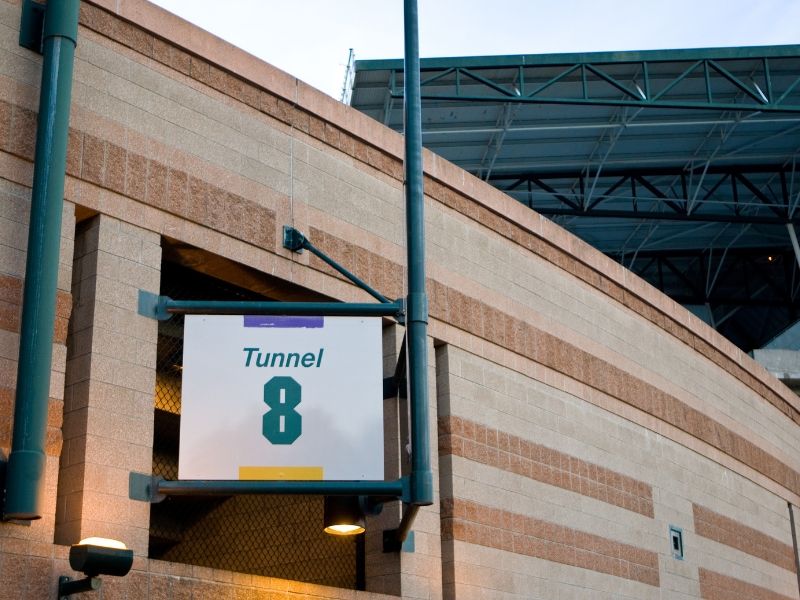
Renovating them takes careful planning, and the right masonry contractor builds that plan around crowds, hardware, and an event calendar that doesn’t move. Thirty minutes before kickoff, a stadium gate handles more foot traffic than most buildings see in a week. Fans press toward the turnstiles, staff check bags, and strollers and wheelchairs work their way through the crowd. The brick piers, walls, and paving around that gate take a beating every season.
This article is written for facility managers, athletic departments, and project managers overseeing stadium upgrades. Architects and general contractors coordinating gate work will find it useful too. Stadium entries combine heavy brick masonry, security systems, and public access in a tight space. Getting those pieces to work together starts long before the first brick is removed.
Evaluating Existing Masonry Around Stadium Entrances
Every renovation should start with a condition review. Older stadium gates often have brick piers, columns, signage walls, and paved plazas that have aged unevenly. Some sections may only need cleaning and repointing, while others show cracking, leaning, or water damage. Knowing which is which keeps the budget focused on real problems.
The contractor looks closely at how gates attach to masonry. Hinge points, latch posts, and anchor bolts put concentrated stress on piers. Rust from embedded steel can expand and crack the surrounding brick. These areas often need repair or rebuilding before new gates can go up.
Here’s what a pre-renovation review typically covers:
- Cracks, spalling, and loose brick on piers and walls
- Mortar condition and past repairs that don’t match
- Rust staining or cracking around embedded anchors
- Settlement or uneven paving near gate openings
- Drainage patterns and where water collects after rain
Photos and notes from this review help the design team decide what to keep, repair, or replace.
Planning Gate Renovations Around Pedestrian Flow and Accessibility
Gate design should follow how crowds actually move. Watch the entry during a busy event or review video if it’s available. Bottlenecks, cut-through paths, and spots where lines spill into walkways all point to layout changes. Masonry elements like piers, planters, and seat walls can guide people without blocking flow.
Accessibility standards apply to public stadium entries. Accessible routes, gate widths, slopes, and surface conditions all need review by the design team. Requirements vary by facility type and jurisdiction, so confirm them early. The masonry contractor then builds to those approved plans.
Paving matters just as much as walls. Brick pavers or stone pavers at gate plazas should be set flush and stay level under heavy foot traffic. Raised edges, wide joints, and settled sections create tripping hazards in crowded conditions. A strong base and good drainage help the surface stay smooth for years.
Coordinating Masonry Contractor Work With Gate Hardware and Security Systems
Modern stadium gates carry more than hinges. Turnstiles, ticket scanners, cameras, card readers, lighting, and intercoms often mount on or near masonry. Each one may need power, data, or anchor points built into the brickwork. Planning those details before construction avoids cutting into new walls later.
The masonry contractor should meet with the gate fabricator, electrician, and security vendor early. Together, they confirm where conduit runs, where steel anchors go, and how heavy the gates will be. Large gates may need embedded steel or reinforced cores in the piers. The structural design for those connections should come from the project engineer.
Timing matters too. Anchors and sleeves usually go in while the masonry is being built. New mortar needs time to gain strength before heavy gates are hung, and that timing should follow the project specs. Rushing this step can crack fresh joints or pull anchors loose.
Bollards and vehicle barriers are often part of stadium security plans. These can be set in masonry planters or wrapped in brick to match the entry design. Their placement and strength should follow the security consultant’s design.
Selecting Masonry Details for High-Traffic Stadium Entry Points
Stadium entries need details that hold up to crowds, weather, and cleaning crews. Durable brick, well-tooled mortar joints, and solid caps help walls resist water and wear. Rounded or chamfered pier corners reduce chipping from carts and crowd contact. Low walls that people lean or sit on need sturdy caps and good drainage.
Brick and stone both work well at stadium gates. Brick often matches existing stadium architecture and offers a uniform look. Stone masonry can add texture, signage bands, or accent features. The choice depends on appearance, existing materials, durability needs, maintenance, and budget.
Matching existing brick deserves extra attention. New brick that doesn’t match color or size can make a renovation look patched. Contractors often build sample panels so the owner can approve brick, mortar color, and joint style before work starts. That small step prevents costly surprises.
Scheduling Masonry Installation Around Stadium Events and Public Access
Event schedules drive almost every stadium renovation. Most heavy masonry work happens during the offseason or long breaks between events. If work has to continue into the season, the plan may include phasing, temporary gates, and protected walkways. Each phase should leave the stadium safe and usable for fans.
Weather also affects masonry scheduling. Mortar performs best within certain temperature ranges, and extreme heat or cold may require extra protection or adjustments. Rain can delay work and wash out fresh joints. Build some weather time into the schedule so event dates don’t force rushed work.
Public safety comes first during construction. Fencing, signage, and covered walkways help keep fans away from active work areas. Coordinate with facility managers on delivery times and staging areas so materials don’t block access. A clear plan keeps both crews and visitors safe.
Frequently Asked Questions
What does a masonry contractor do on a stadium gate renovation?
A masonry contractor repairs or rebuilds brick and stone piers, walls, and paving around the gate. They coordinate with gate fabricators, electricians, and security teams on anchors and conduit. They also help match new work to existing masonry. Their role ends with a finished, durable entry ready for crowds.
Can existing brick piers support new gates?
Sometimes they can, but it depends on their condition and the gate weight. Older piers may have cracks, rusted anchors, or weak mortar. A condition review and engineer input help decide whether to repair or rebuild. New, heavier gates often need reinforced piers.
How do you keep stadium entries open during renovations?
Phasing is the most common approach. Crews work on one gate or section while others stay open. Temporary gates, fencing, and protected walkways help guide fans safely. Planning around event dates keeps disruption to a minimum.
