Brick Mailbox Repair: What Homeowners Should Know
A damaged brick mailbox is easy to ignore. It sits at the edge of the property, gets bumped by a car or battered by rain, and most homeowners put off dealing with it. That’s a mistake. Brick mailbox repair is a lot cheaper when problems get caught early. Wait long enough and you’re looking at a full rebuild instead of a simple fix.
Common Signs That a Brick Mailbox Needs Repair
The signs are usually obvious once you know what to look for.
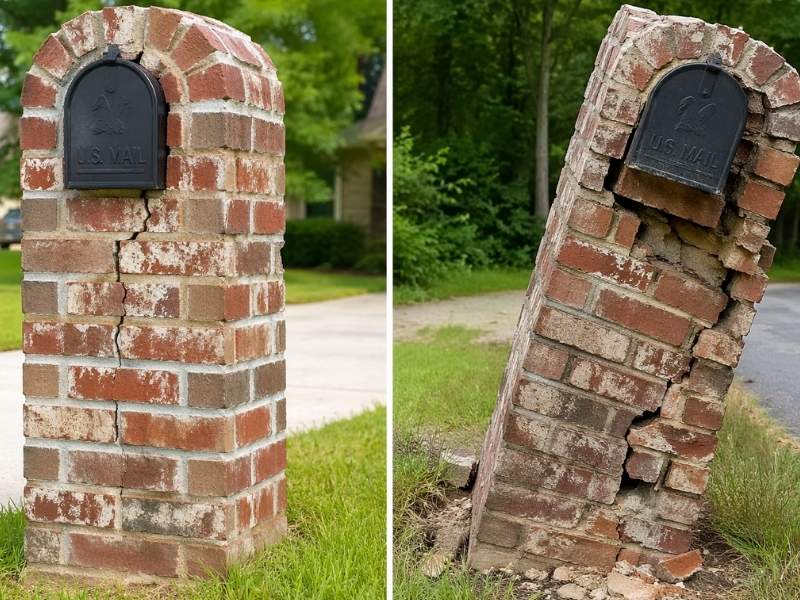
Loose or wobbly bricks are the clearest signal. If any brick shifts when you press it, the mortar holding it has failed. Crumbling or missing mortar in the joints is another warning. You might see white powder on the brick surface, which is called efflorescence, and that means water is moving through the structure.
A leaning brick mailbox is more serious. Some lean is caused by soil movement beneath the base. A small lean can sometimes be corrected. A severe lean usually means the base has shifted too much to repair without rebuilding.
Vehicle impacts are common. Even a slow clip from a delivery truck or a car pulling too wide on a curve can crack bricks or knock a mailbox off-center. Weather plays a role too. Auburn gets heat, heavy rain and occasional freezes, and that cycle pulls mortar apart over years.
Don’t wait for a brick to fall off. A loose brick means water is already getting in, and water speeds up every other problem.
What Causes Brick Mailboxes to Deteriorate Over Time
Moisture is the main culprit. Water gets into small cracks in the mortar, sits there, expands during temperature drops and slowly breaks the joint apart. A mailbox that holds standing water at its base will deteriorate faster than one with proper drainage around it.
Soil movement is the second big factor. Auburn’s clay-heavy soil shifts with moisture changes. Wet seasons swell the ground, dry seasons shrink it, and over years that movement can tilt or crack a mailbox base. If the original base wasn’t poured deep enough or wide enough, movement happens faster.
Aging mortar is a natural part of the process. Standard mortar has a useful life of 20 to 30 years under good conditions. A mailbox exposed to direct sun, rain and vehicle exhaust may show joint failure in 10 to 15 years. That’s not a defect. It’s just wear.
Knowing the cause matters because it changes the repair. A mailbox with failed mortar but solid bricks needs repointing. A mailbox with a shifting base needs foundation work first, or the new mortar will crack again within a season.
When Minor Repairs Are Enough and When Rebuilding Makes More Sense
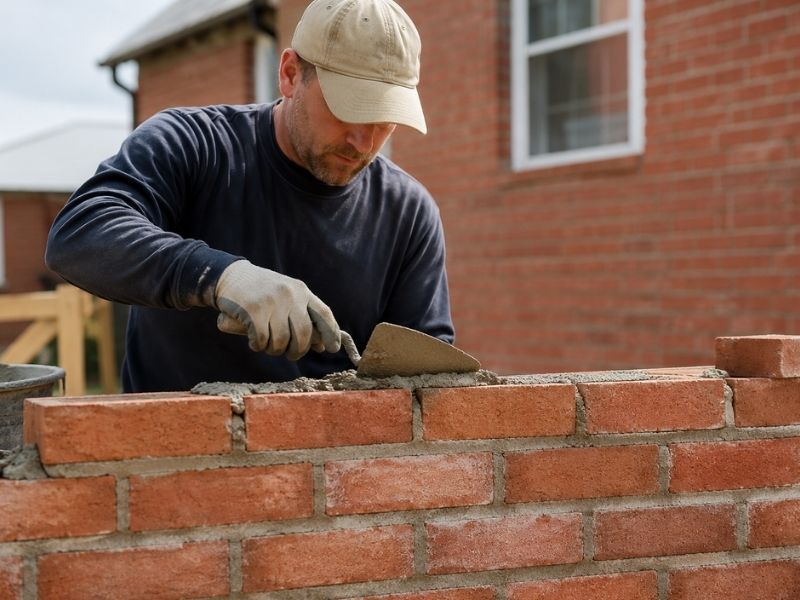
Minor repairs cover most situations. If the bricks are intact, the structure is plumb, and the damage is limited to cracked or missing mortar joints, repointing is the right call. A mason removes the failed mortar to a depth of about three-quarters of an inch, packs in fresh mortar that matches the original, and the repair can last another 20 years if done correctly.
Replacing one or two cracked bricks also falls into the minor repair category. The work takes a few hours and costs a fraction of a full rebuild.
Rebuilding makes sense when the mailbox leans more than a few degrees and the base has shifted. It also makes sense when multiple bricks are cracked through, not just chipped. A mailbox that’s been hit by a vehicle and has structural damage at the base is often cheaper to rebuild than to try to salvage.
One honest piece of advice: if a contractor tells you a leaning mailbox needs to be torn down and rebuilt without first checking the base condition and how many bricks are actually compromised, get a second opinion. Sometimes a base reset and repointing is all that’s needed.
Why Matching Existing Bricks and Mortar Matters
A repair that uses the wrong brick or the wrong mortar color looks bad. That sounds obvious, but it’s a more common problem than most homeowners expect.
Brick color varies by manufacturer, batch and age. A new brick from the same product line can look noticeably different next to weathered bricks that have been sitting in Alabama sun for 15 years. A good mason will source reclaimed or closely matched bricks before starting work, not after.
Mortar color and hardness matter too. Using a mortar that’s harder than the original bricks is a documented problem in masonry repair. Hard mortar doesn’t flex with the structure. Instead of the mortar cracking under stress, the brick faces crack. For most residential mailboxes, a Type N mortar is the right choice. It’s softer than Type S and lets the structure move slightly without damage.
A mismatched repair on a brick mailbox draws attention in the wrong way. The goal is for the repair to disappear into the existing structure. That takes time and care in material selection.
How Regular Maintenance Can Extend the Life of a Brick Mailbox
Most brick mailboxes that fail early didn’t have to. A little attention once a year catches the problems that turn into expensive repairs.
Walk up to the mailbox and press on a few bricks. None of them should move. Run your finger along the mortar joints. If mortar comes off in your hand or feels sandy rather than solid, repointing is due. Check for cracks running through the brick face itself, not just the joints.
Look at the ground around the base. Water should drain away from the structure, not pool against it. Soil that’s built up against the base over the years can hold moisture and accelerate deterioration. Pull it back and make sure the base is visible.
Cleaning the surface once a year keeps efflorescence from building up and gives you a clear look at what’s happening with the brick. Use water and a stiff brush. Avoid pressure washing at close range because it can force water into joints and erode mortar that’s still in decent shape.
If you see a crack or a slightly loose brick, fix it that season. A small repointing job on one or two joints costs very little. The same damage ignored for two or three winters can spread to surrounding joints and turn a minor fix into a full section repair.
Frequently Asked Questions
How much does brick mailbox repair cost?
Minor repairs, such as repointing a few joints or replacing one or two bricks, typically cost between $150 and $400. More extensive repairs involving multiple damaged areas may range from $600 to $900. A complete rebuild of a standard brick mailbox generally costs between $800 and $2,000, depending on its size and design.
Can I repair a brick mailbox myself?
Replacing mortar in a small area is something a handy homeowner may be able to do. However, matching the mortar color, achieving the correct joint depth, and finishing the joints properly require experience. For anything beyond a minor repair, hiring a professional mason is usually the better option.
How long does brick mailbox repair last?
A properly completed repointing job using the correct mortar type can last 20 to 30 years under normal conditions. Repairs performed with mismatched or overly hard mortar may fail much sooner.
Does homeowners insurance cover brick mailbox damage?
Coverage depends on the cause of the damage. Damage caused by a vehicle collision may be covered under the at-fault driver’s insurance policy. Damage from weather or normal wear and tear is generally not covered. Homeowners should review their policy details before filing a claim.
Do I need a permit to repair or rebuild a brick mailbox in Auburn?
Minor repairs typically do not require permits. A full rebuild may require a review of setback requirements, especially if the mailbox is located close to the road. Homeowners should contact the City of Auburn or Lee County to confirm any local requirements before beginning a major rebuild.